
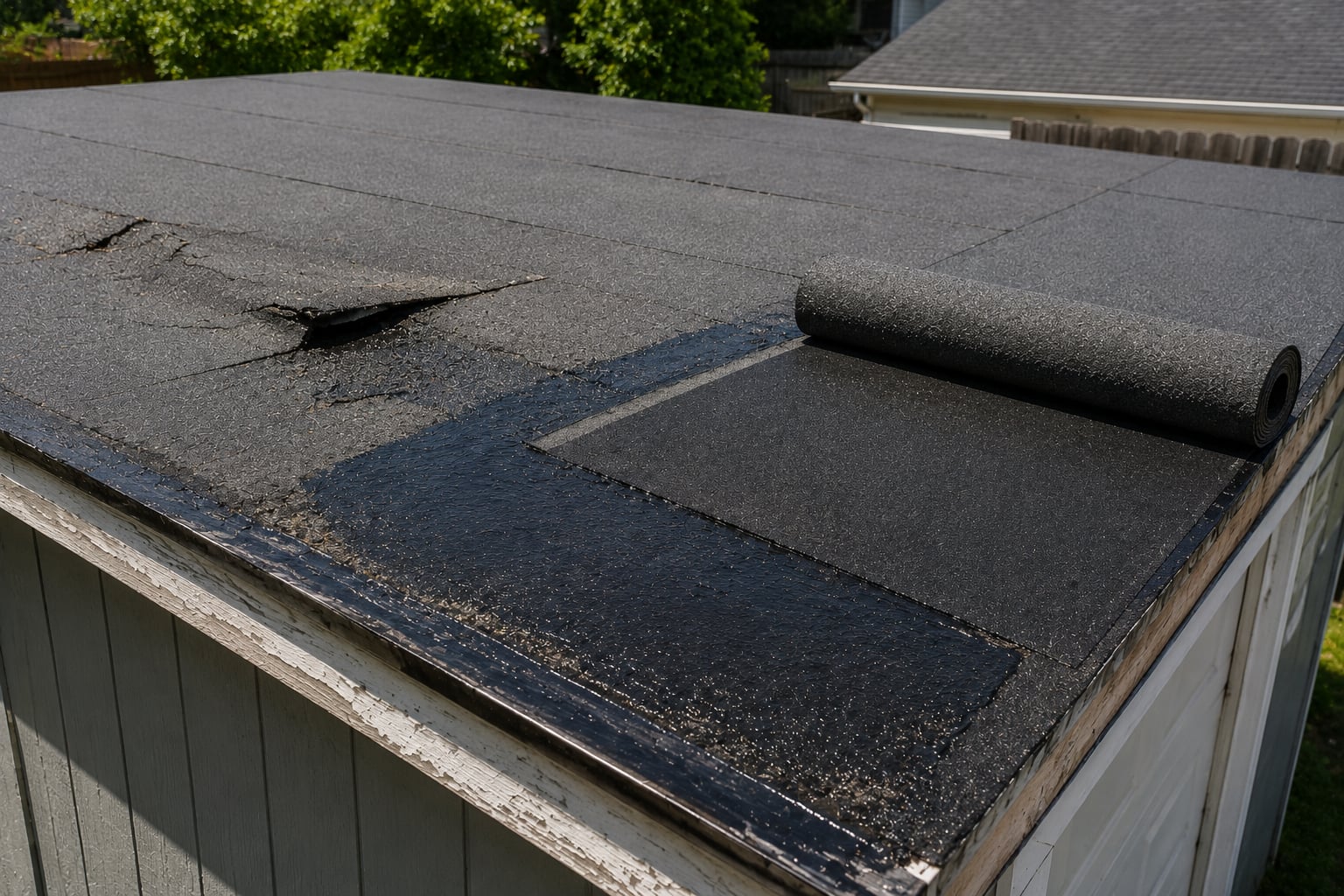
A lot of older homes in and around Huntington Beach still have a detached garage, a backyard shed, or a small addition topped with rolled roofing instead of shingles or a proper membrane. It is a practical, budget friendly material for a low slope structure, and when it is installed and maintained correctly it does its job quietly for years. The problem is that these roofs are usually the last thing anyone checks, so small damage tends to sit unnoticed until it turns into a real leak.
What Rolled Roofing Actually Is
Rolled roofing is mineral surfaced asphalt material that comes in wide rolls rather than individual shingles, installed in overlapping horizontal strips and sealed with roofing cement or self adhesive backing. It is a common choice for small, low slope structures where the cost and complexity of a full shingle or membrane roof is not worth it, but it is also a thinner, less durable material by design, which is why it tends to show wear sooner than the roof on the main house.
Common Problems We See on Sheds, Garages, and Additions
- Cracking and splitting from years of direct sun exposure with little to no shade.
- Seams that have lifted or separated where two strips overlap.
- Ponding water on sections with too little slope to drain properly.
- Punctures from foot traffic, falling branches, or stored items pressing against the surface.
- Granule loss leaving bald, more vulnerable patches exposed to the sun.

Warning Signs Worth Checking For
Because these structures do not get walked past every day, it helps to know what to look for on the rare occasions you do check. Water stains on the ceiling or walls inside a shed or garage are the clearest sign something has already gotten through. From outside, look for curled or lifted edges at the seams, dark patches that suggest the surface is holding moisture, and any spot where the mineral surface has worn thin enough to show the black asphalt underneath.
Patch Repair vs Full Reroof
| Situation | Usual Recommendation |
|---|---|
| One isolated tear or puncture | Patch repair |
| A single failed seam | Reseal or patch that section |
| Widespread cracking across the surface | Full reroof |
| Roof already past 8 to 10 years old | Full reroof |

Common Mistakes Homeowners Make
- Ignoring the shed or garage roof because it is not attached to the main house.
- Piling storage boxes or equipment directly against a weak or aging section.
- Using the wrong sealant, one that is not actually rated for roofing, on a quick DIY patch.
- Waiting until there is an active drip before checking the roof at all.
Preventive Maintenance Tips
- Walk out and visually check detached structures at least once or twice a year, not just the main roof.
- Clear leaves and debris off the surface so water can drain the way it is supposed to.
- Address a small tear or lifted seam as soon as you notice it, before it grows.
- Keep stored items and equipment from resting directly on the roofing material.
When to Call a Professional
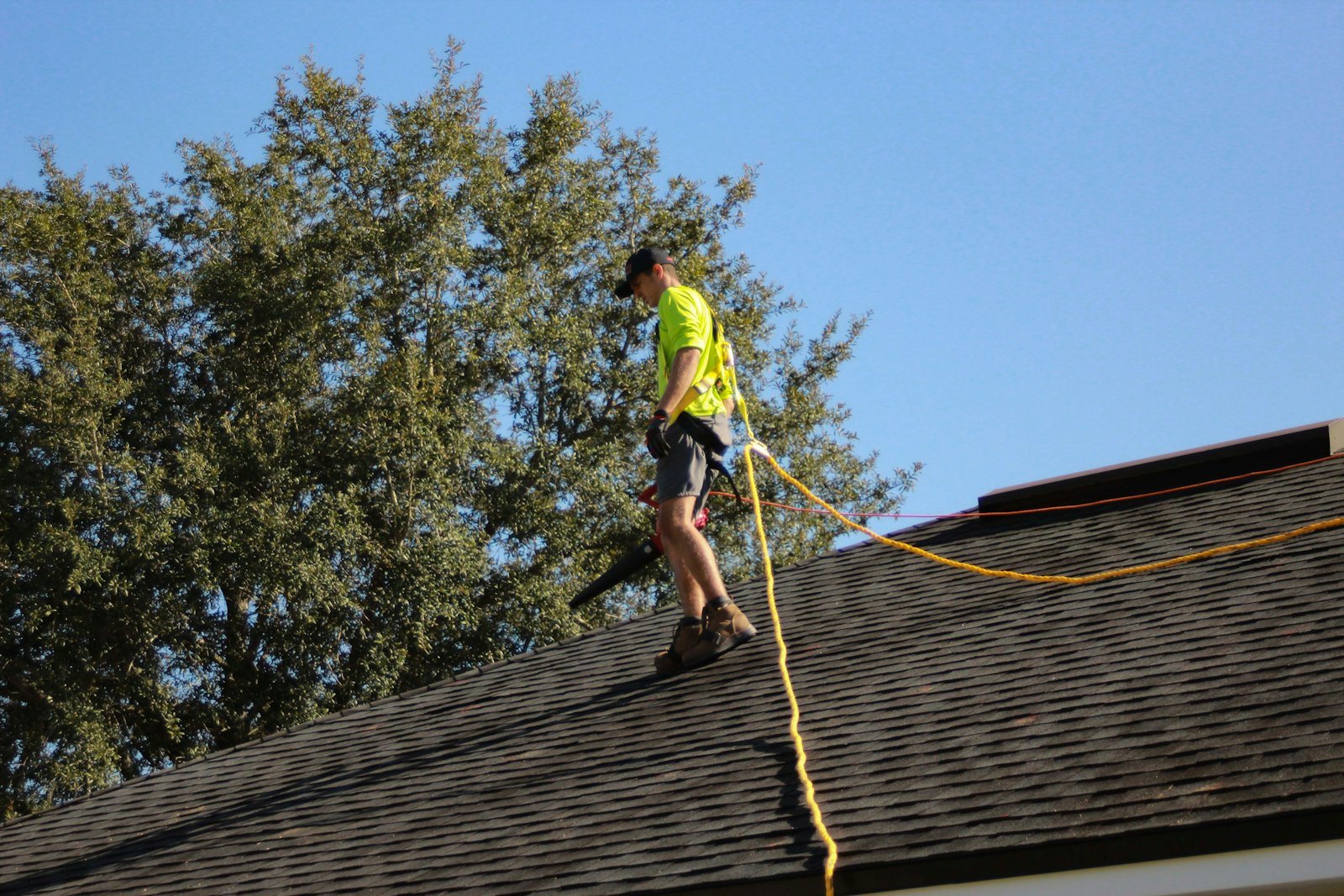
A single crack or lifted seam on an otherwise sound roof is usually a quick, affordable roof leak repair. If the whole surface is cracked, ponding regularly, or the material is simply old, a full replacement of just that structure is often more cost effective than repeated patching. If you already have an active drip inside the shed or garage, do not let it sit. Our emergency roof repair team can stabilize it the same day, and a professional inspection can confirm exactly which route makes sense once the immediate leak is under control.
Frequently Asked Questions
What is rolled roofing and where is it typically used? +
Rolled roofing is mineral surfaced asphalt sheeting installed in wide strips rather than individual shingles. It is a common, budget friendly choice for low slope structures like sheds, detached garages, and small additions where a full shingle or membrane roof is not practical.
How long does rolled roofing last? +
Most rolled roofing lasts 5 to 10 years, shorter than asphalt shingles or a proper membrane system. Sun exposure and ponding water are the two biggest factors that shorten its lifespan in a coastal climate like ours.
Can a small tear in rolled roofing be patched? +
Yes, in most cases. A clean tear or small puncture can usually be patched with a matching piece of roofing and sealant, as long as the surrounding material is still flexible and not badly deteriorated.
Why does my shed roof keep collecting water? +
Ponding on a rolled roof usually means the slope is too flat, the deck has sagged slightly over time, or drainage at the edge is blocked. Standing water is one of the fastest ways to age this material, so it is worth addressing the cause, not just the puddle.
Is it worth repairing an old rolled roof or should I replace it? +
If damage is limited to one or two isolated areas and the rest of the surface is still pliable, a patch repair makes sense. Widespread cracking, multiple soft spots, or a roof already past its expected lifespan usually points toward a full reroof instead.
Does homeowners insurance cover shed or garage roof damage? +
It depends on the cause and your policy. Sudden storm damage is often covered, while gradual wear and aging typically are not. It is worth checking your specific policy language before assuming either way.
Can I install rolled roofing myself? +
Small patch repairs are within reach for a handy homeowner, but full installation involves proper overlap, sealing, and edge detailing that is easy to get wrong. A poorly sealed seam is one of the most common causes of leaks we get called out for.
What is the biggest mistake homeowners make with shed and garage roofs? +
Ignoring them. Detached structures get far less attention than the main house roof, so small issues go unnoticed until there is an active leak damaging whatever is stored underneath.
The shed or garage roof is easy to forget until it fails, but a quick check twice a year is usually all it takes to catch problems while they are still a simple patch instead of a full reroof. If you are not sure which situation you are looking at, a free inspection will tell you exactly where that roof actually stands.