

Walk a few blocks in either direction from Main Street and you will find some of the oldest homes in Huntington Beach, original beach cottages and bungalows that have been standing for decades. Their roofs have been quietly absorbing salt air, direct sun, and coastal wind that whole time, and it shows up differently than the wear we see on homes further inland. If you own one of these homes, here is what actually tends to go wrong and what is worth paying attention to.
Why Downtown Roofs Age Differently
Homes within a few blocks of the ocean face a combination most inland properties never deal with, near constant salt air on top of the usual Southern California sun. Salt accelerates corrosion on flashing, nail heads, and other exposed metal, while the sun ages shingles and dries out sealants faster than it would just a mile or two inland. On an older home, decades of that combination adds up in ways that are not always obvious from the ground.
What We Typically Find on These Roofs
- Corroded or rusted flashing around chimneys, vents, and roof valleys.
- Original shingles well past their expected lifespan, often decades old.
- Nail heads that have backed out as wood framing shifts with age and weather.
- Sealant around penetrations that has dried out and cracked from years of sun.
- Rooflines that were never quite square to begin with, common on original construction from that era.

Repairing a Roof Without Losing the Original Character
A lot of Downtown homeowners are understandably protective of their home's original look, and that matters when it comes to repairs. We match shingle profiles and colors carefully on these projects, sourcing reclaimed or discontinued styles when the original material is no longer produced, so a repair blends into the existing roofline instead of standing out as an obvious patch.

Coastal Roofs vs Inland Roofs
| Factor | Downtown / Near Coast | Further Inland |
|---|---|---|
| Metal fastener and flashing wear | Faster, from salt air corrosion | Slower |
| Recommended inspection frequency | At least once a year | Once a year is typically enough |
| Common repair focus | Flashing, fasteners, sealant | Shingle wear from sun and heat |
Warning Signs Worth Checking For
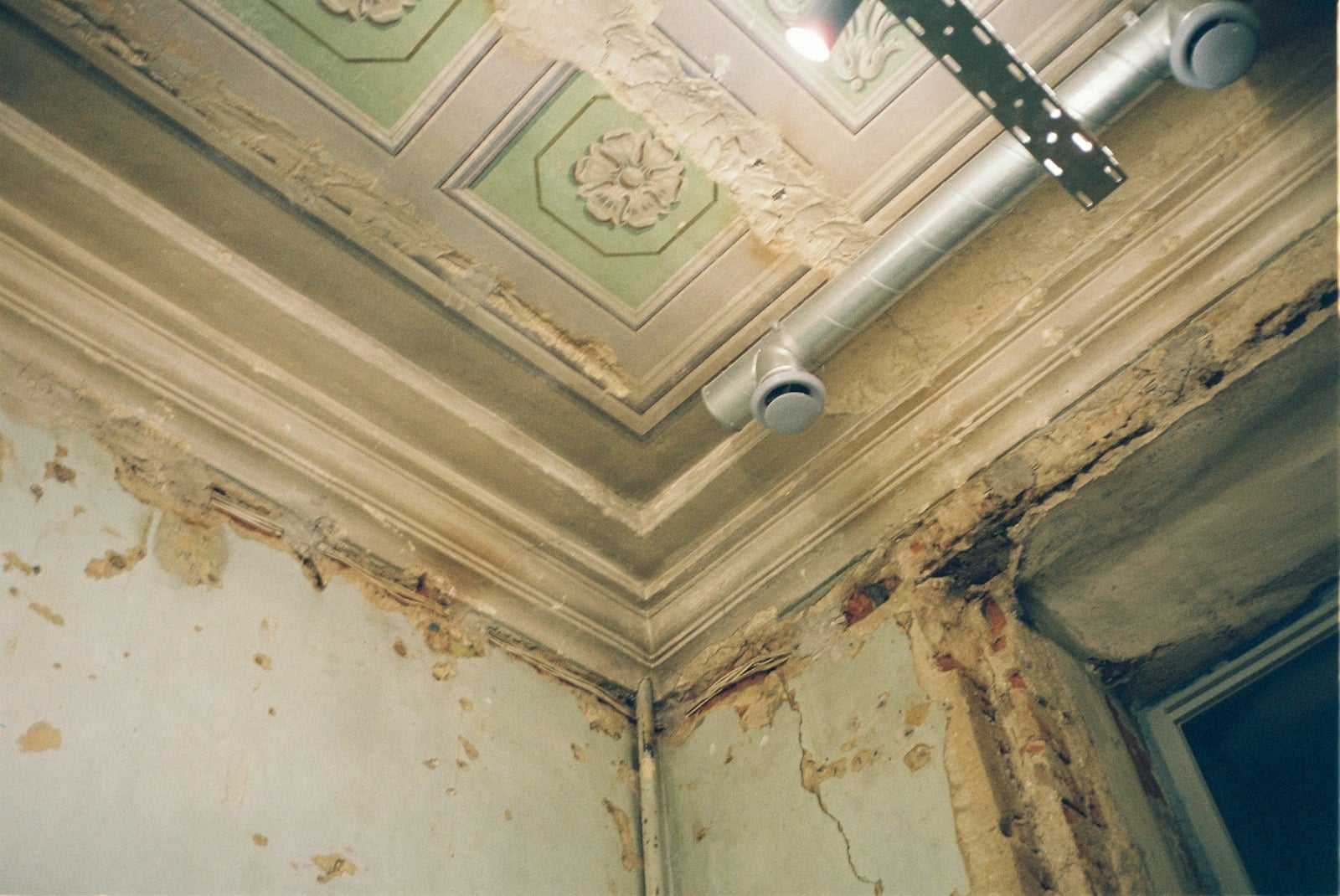
Because so much of the damage on these older roofs starts small, at a rusted nail head or a hairline crack in old sealant, it helps to know what to look for. Watch for rust streaks running down from flashing or vents, visible corrosion around the chimney, granule loss leaving bald patches on shingles, and any water stains appearing on interior ceilings, which usually mean something has already gotten through.
Common Mistakes Homeowners Make
- Assuming an original roof that looks fine from the street is actually in good shape.
- Skipping annual inspections because the home is not showing any obvious problems yet.
- Using standard, non corrosion resistant fasteners on a coastal repair to save a little money upfront.
- Not checking attic ventilation, which matters even more on older homes with original framing.
Preventive Maintenance for Older Coastal Homes
- Schedule a professional inspection at least once a year given the accelerated coastal wear.
- Ask specifically about flashing and fastener condition, not just the shingles themselves.
- Keep gutters and valleys clear so water actually drains the way the roof was designed for.
- Address small rust spots or lifted flashing before the next rainy season, not after.

When to Call a Professional
Isolated flashing corrosion or a handful of worn shingles is usually a manageable roof leak repair. If the roof is original and has never been inspected, or if you are seeing multiple warning signs at once, a full professional inspection is worth scheduling before deciding between a repair and a full replacement. If a storm has already caused active leaking, our emergency roof repair team can respond the same day, and it is worth having your gutters checked at the same time on a home this age. See our full Downtown Huntington Beach service area page for more on how we work in this neighborhood specifically.
Frequently Asked Questions
Why do Downtown Huntington Beach roofs age faster than inland homes? +
Homes within a few blocks of the ocean face constant salt air exposure, which accelerates corrosion on flashing, nails, and other metal roof components. Combined with direct sun and coastal wind, roofing material simply wears faster this close to the water.
What roof types are most common on Downtown HB's older homes? +
Many original beach cottages and bungalows in the area have composition shingle roofs, often original or once replaced, while some Spanish and Mediterranean style homes nearby use clay tile.
Can you repair a roof on a historic style bungalow without changing its look? +
Yes. We match shingle profiles and colors carefully on older Downtown homes so repairs blend in rather than standing out against the original roofline.
How often should an older Downtown HB roof be inspected? +
We recommend at least once a year for homes this close to the coast, more often if the roof is original or has not been inspected in several years, since salt air exposure accelerates wear beyond what a typical inland schedule accounts for.
Is it normal for an original roof on an older home to still be fine? +
It happens, but it is uncommon this close to the coast. Most original shingle roofs on Downtown bungalows are well past their expected lifespan by now, so even one that looks fine from the ground is worth a professional check.
What is the biggest roofing mistake homeowners make in this area? +
Assuming a roof that looks okay from the street is actually fine. Salt air corrosion and sun damage often start at flashing and fasteners, areas you cannot properly assess without getting up on the roof.
Do older homes need special roofing materials near the beach? +
Corrosion resistant flashing and fasteners suited to salt air exposure make a real difference this close to the water, even if the shingles or tiles themselves are standard material.
How fast can you respond to a roof issue in Downtown Huntington Beach? +
Downtown HB is well within our core service area, so we typically respond the same day for urgent leaks or storm damage.
Older Downtown homes have a lot of character worth preserving, and that starts with a roof that is actually keeping up with what coastal living puts it through. A yearly check and prompt attention to flashing and fasteners will catch most problems long before they turn into an interior leak.