

Shingles get all the attention because they're what you actually see. Underneath them, though, is a layer most homeowners never think about, and it's the part standing between your roof deck and real water damage if anything above it ever fails. Here's what the different types actually do, and what genuinely matters for a roof here.
The Three Main Types
Underlayment falls into three broad categories: asphalt-saturated felt, the traditional option; synthetic sheet underlayment, now the industry default; and self-adhering ice and water shield, reserved for the roof's most vulnerable spots. Most roofs actually use a combination, a synthetic or felt base layer across the full deck with self-adhering membrane concentrated at valleys, eaves, and penetrations like chimneys and skylights.
Felt Underlayment: The Traditional, Fading Standard
Felt, sometimes called tar paper, comes in 15-pound and 30-pound weights. The lighter 15-pound version is largely retired at this point, while 30-pound felt is still code-compliant and shows up on budget jobs. It's not a bad product, but it tears more easily during installation, absorbs moisture rather than shedding it, and generally has a shorter working life than the synthetic alternative that's replaced it on most professional jobs today.
Synthetic Underlayment: The Modern Default
Synthetic underlayment is a woven polypropylene or polyethylene sheet, usually with a textured, non-slip coating that also makes it safer for roofers to walk on during installation. It outperforms felt by roughly three to one on both lifespan and tear strength, with an expected working life of 30 to 50 years when properly installed, which means it will typically outlast the shingles laid on top of it. This is now the standard base layer on most quality re-roofs in this area.
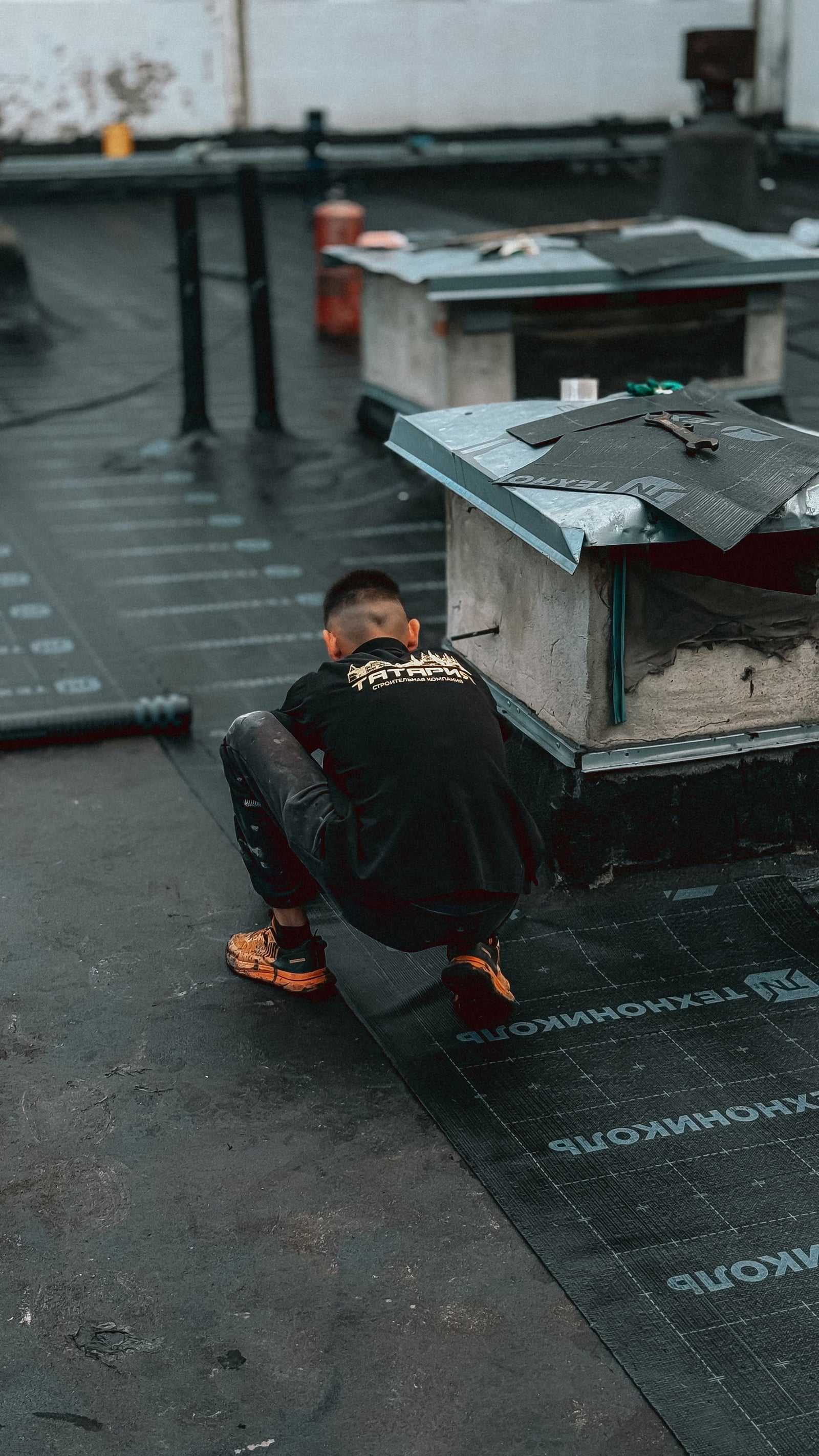
Self-Adhered Ice and Water Shield: Why It's Used Here Even Without Ice
Ice and water shield is a self-adhering rubberized asphalt membrane that seals tightly around fastener penetrations and resists water intrusion far better than felt or synthetic alone. The name is a bit misleading for a coastal city that never sees ice dams, but the product does more than that one job. It also resists wind-driven rain, which is a genuinely relevant concern during Huntington Beach's rainy season, and most experienced local roofers install it at valleys, eaves, and around chimneys and skylights as standard practice regardless of climate, since those are the spots where a roof is statistically most likely to leak first.

What California Code Actually Requires
Worth being precise about this one. The strictest self-adhering underlayment mandates in the California Residential Code specifically apply to climate zones where the average daily temperature in January is 25 degrees or lower, a threshold Huntington Beach doesn't come close to. Baseline underlayment is required statewide, but the code doesn't force the same grade everywhere. That said, meeting the legal minimum and meeting the actual best practice for coastal wind and rain exposure aren't automatically the same thing, which is why most reputable contractors here install upgraded protection at vulnerable spots even when code alone wouldn't require it.
Why Underlayment Quality Matters More Than Most Homeowners Realize
Underlayment gets nailed down and covered within hours, which makes it one of the easiest places on a roofing job for a contractor to quietly downgrade materials without you ever noticing, since there's no way to inspect it again once shingles go on. This is also part of why the choice between overlay and full tear-off matters so much: an overlay leaves the old underlayment in place entirely, meaning you get none of the improvement a fresh synthetic or self-adhering layer would provide, regardless of how good the new shingles on top look.

Frequently Asked Questions
What is roof underlayment and why does it matter? +
Underlayment is the water-resistant layer installed directly on the roof deck before shingles or tile go on. It's the backup waterproofing that protects the deck if wind, ice, or a damaged shingle ever lets water past the visible roofing material.
Is synthetic underlayment better than felt? +
Generally yes. Synthetic underlayment outperforms felt roughly three to one on lifespan and tear strength, with an expected life of 30 to 50 years when properly installed, which usually outlasts the shingles above it.
Do I need ice and water shield if Huntington Beach doesn't get ice? +
It's not code-required here the way it is in colder inland California climate zones, but most reputable local roofers install it anyway at valleys, eaves, and penetrations, since it protects against wind-driven rain, not just ice, which is a real concern on this coast.
Does California code require a specific type of underlayment here? +
The strictest self-adhering membrane requirements in the California Residential Code apply specifically to colder climate zones with average January temperatures at or below 25 degrees, which doesn't describe Huntington Beach. Baseline underlayment is still required everywhere, just not always the same grade.
Can I ask my roofer what underlayment they're using? +
Yes, and you should. Underlayment gets covered up within hours of installation, making it one of the easiest places for a corner to get cut without you ever knowing, so it belongs in your written quote by name and brand, not left as an assumption.
Nobody chooses a roofer based on their underlayment brand, but it's worth asking about anyway. It's the one material on your roof that has to work perfectly for decades without ever being looked at again.