
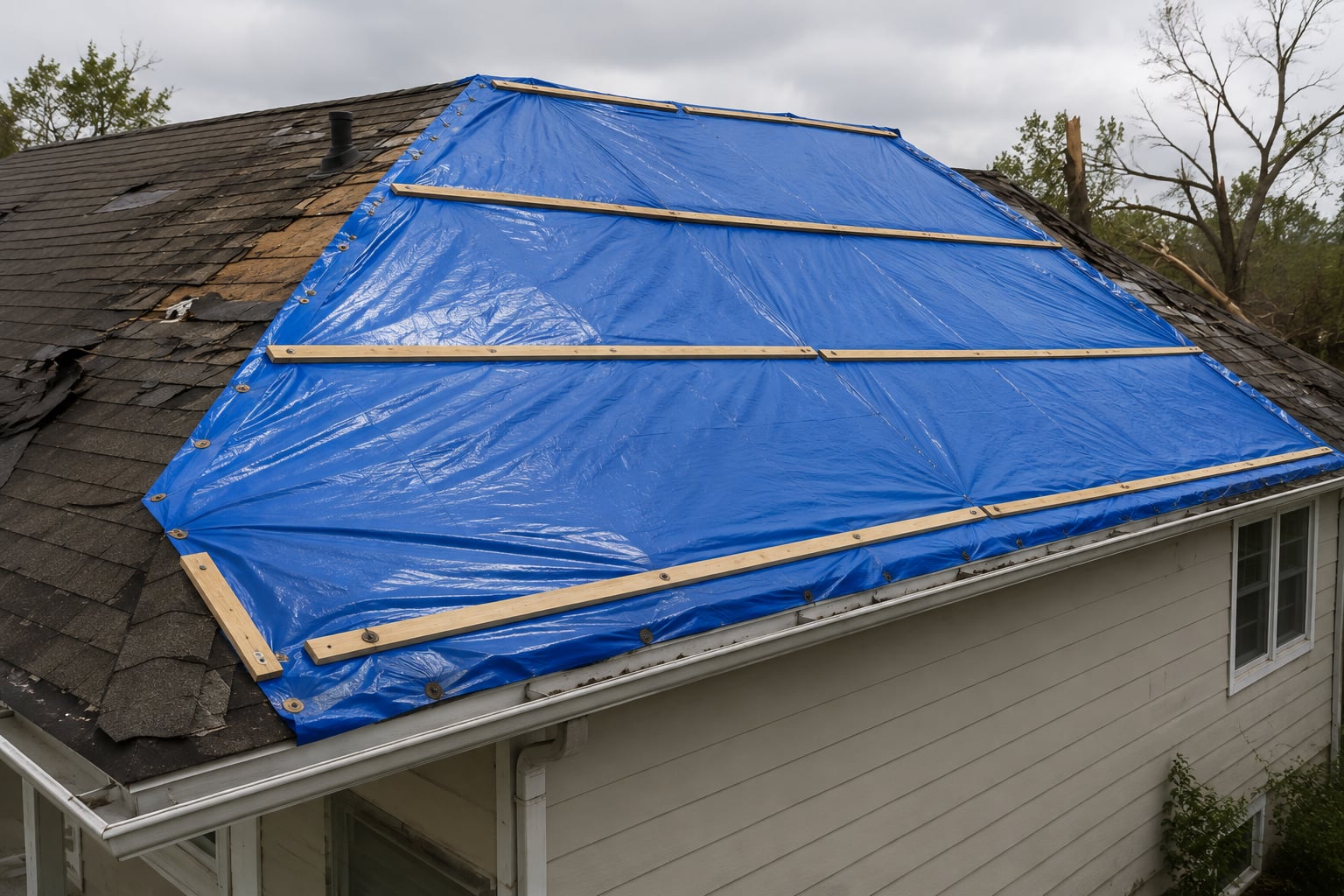
After a storm rips off shingles or a falling branch punches a hole in the roof, a tarp is usually the first thing that goes up, and for good reason. It stops water from getting further into the house while everything else gets sorted out, from insurance claims to material availability to scheduling the actual repair crew. The part that trips people up is treating the tarp itself as the fix rather than what it actually is, a temporary hold.
How a Proper Tarp Installation Actually Works
A tarp job that is going to survive coastal wind is more involved than just throwing plastic over a hole. A heavy duty tarp gets pulled taut over the damaged area, extended well past the edges of the damage onto solid roofing on all sides, and secured with wood battens screwed down through the tarp into the roof deck, not just nailed through the tarp material itself. The battens spread the load so wind cannot easily work a single fastener loose, which is the most common way a poorly installed tarp fails.
Why Storm Damage Makes Tarping Urgent
Wind events here can lift shingles, crack tile, or send debris through a roof section in minutes, and once the underlying deck is exposed, every hour of rain or even heavy dew adds to the damage. Water finds its way into insulation, drywall, and framing far faster than most homeowners expect, so the gap between damage happening and a tarp going up matters more than people usually assume.
How Long Should a Tarp Actually Last?
| Tarp Quality | Expected Duration | Notes |
|---|---|---|
| Lightweight hardware store tarp | Days to a couple weeks | Degrades quickly in sun and wind |
| Heavy duty roofing tarp, properly battened | 4 to 8 weeks | Still needs periodic checks |
| Any tarp left on long term | Not recommended | Risk of trapped moisture and deck rot |
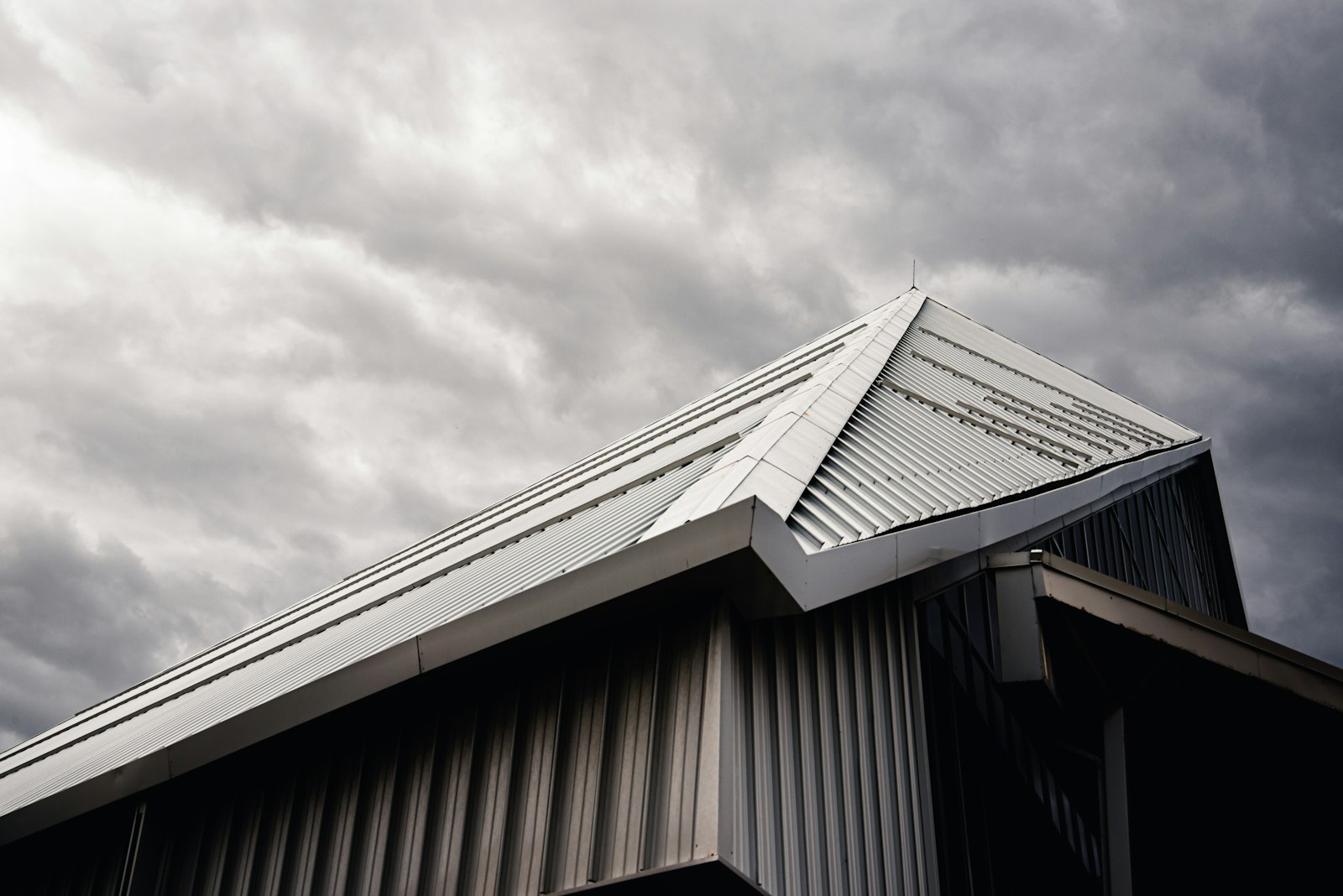
A tarp is not meant to be a permanent solution, even a well installed one. The longer it stays up, the more UV exposure breaks down the material, fasteners loosen from repeated wind flex, and moisture that gets trapped underneath during the day and cools at night can actually feed rot in the roof deck it is supposed to be protecting.
Warning Signs a Tarp Needs Attention
- Visible tears, flapping edges, or sections pulling loose from the battens.
- Water stains appearing inside the house despite the tarp being in place.
- Ponding water sitting on top of the tarp instead of draining off.
- A musty smell in the attic, which can point to moisture trapped underneath.
Common Mistakes Homeowners Make
- Using a lightweight tarp that was never rated for roofing in the first place.
- Forgetting about the tarp once it is up and not checking on it after the next storm.
- Assuming a tarp means the roof no longer needs a real inspection.
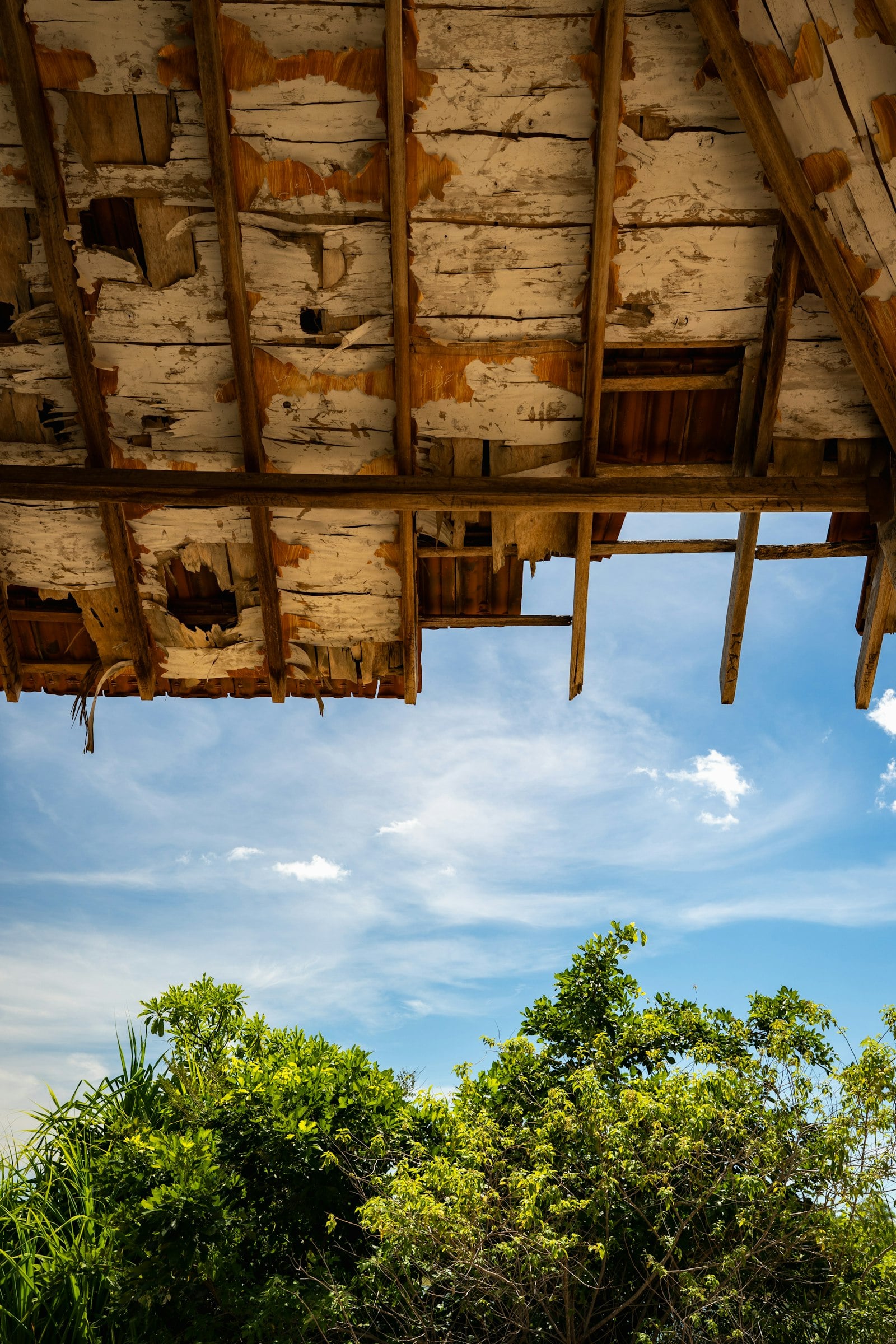
- Climbing onto a damaged, wet roof to fix the tarp themselves instead of calling a professional.
Preventive and Follow Up Tips
- Photograph the damage and the tarp installation for insurance documentation.
- Check the tarp visually from the ground after any significant wind event.
- Schedule the permanent repair as soon as materials and scheduling allow, rather than letting the tarp become the default.
- Ask your roofer what the tarp is actually covering, so you understand the scope of the underlying damage.

When to Move From a Tarp to a Real Repair
Once the immediate danger has passed, the tarp needs to come off and get replaced with an actual fix, not stay up indefinitely. A full inspection once the roof is dry and safe to walk will tell you exactly what is underneath, whether that means a straightforward storm damage repair or, if the damage turned out to be more extensive than it looked from the ground, a full replacement. If you are still dealing with an active leak right now, our emergency roof repair team can get a proper tarp up the same day and start that process moving.
Frequently Asked Questions
How long does a roof tarp actually last? +
A properly installed tarp can hold up for a few weeks to a couple of months, but it is meant as a temporary measure, not a long term fix. Sun exposure and wind gradually wear it down, so it should be checked regularly and replaced or removed once the real repair happens.
Can a tarp be left on a roof too long? +
Yes. Left on too long, a tarp degrades from UV exposure, the battens holding it down can loosen, and trapped moisture underneath can actually cause more damage than the original problem, including wood rot on the deck.
Is a tarp enough to stop a roof leak completely? +
A correctly installed tarp significantly reduces water intrusion, but it is rarely a complete seal, especially in wind driven rain. It buys time until a permanent repair, not a substitute for one.
Should I try to tarp my own roof after storm damage? +
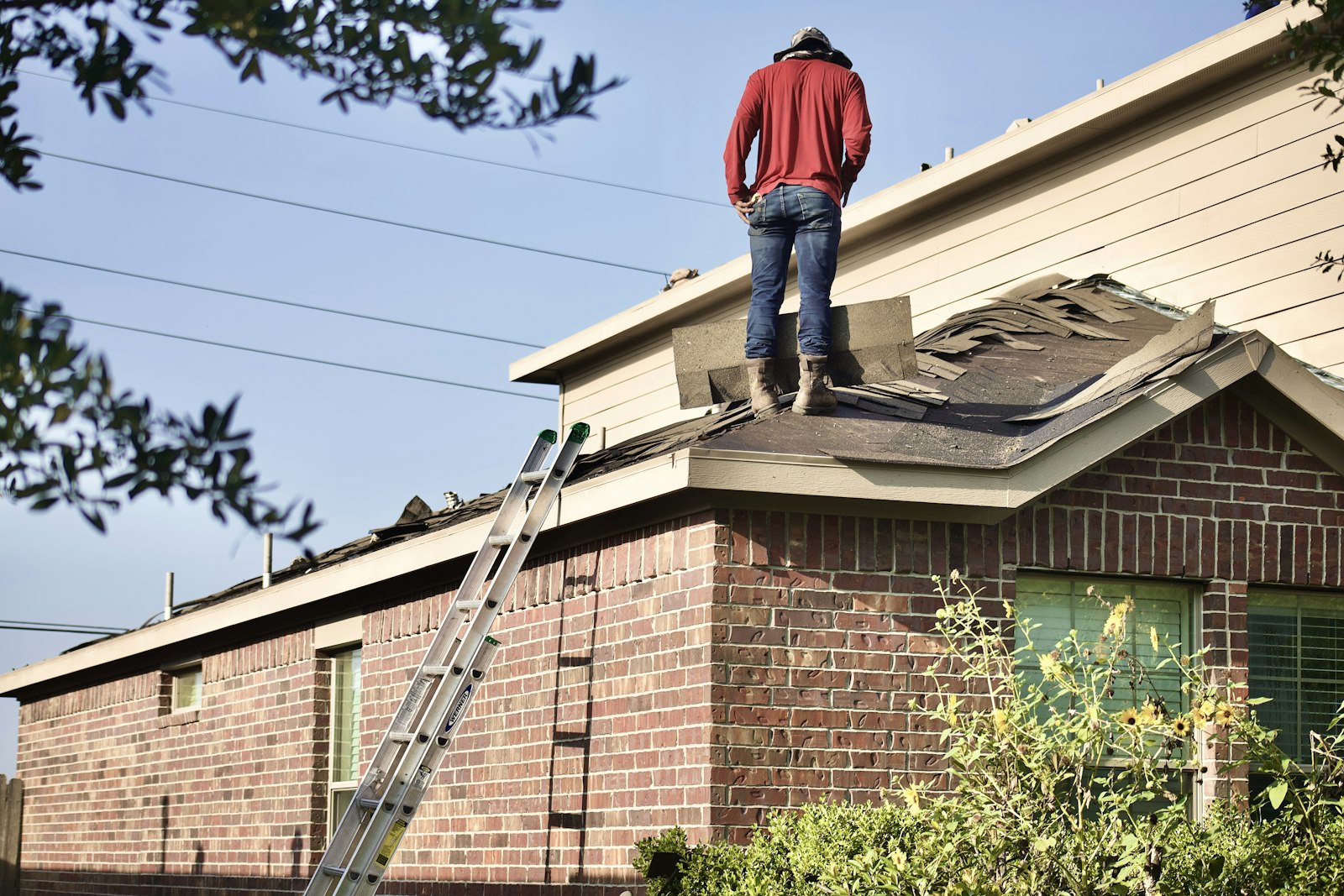
We would not recommend it. Walking a damaged, possibly wet roof is genuinely dangerous, and an improperly secured tarp can blow off in the next round of wind, sometimes causing more damage than it prevented.
Does homeowners insurance cover emergency tarping? +
Many policies do cover emergency tarping as a mitigation cost after storm damage, since it prevents further loss. Keep photos and any invoice from the work, since insurers typically want documentation of the temporary repair.
How quickly can a roofer put a tarp on after a storm? +
For an active leak, same day response is standard for most local roofers, including us, since delaying even a day can let water spread significantly further into the structure.
What material makes the best roof tarp? +
Heavy duty reinforced polyethylene tarps rated for roofing use hold up far better than a lightweight tarp from a hardware store. It is worth the difference, especially if the tarp needs to survive more than a week or two of coastal wind.
What happens after the tarp comes off? +
Once conditions allow, the roof gets a full inspection to assess the actual damage underneath, and the tarp is replaced with a permanent repair or, if the damage is extensive, a full roof replacement.
A tarp is a good, sometimes necessary first step, but it works best when it is treated as exactly that, a first step. Keep an eye on it, do not let it become the permanent solution by default, and get the actual repair scheduled as soon as it is reasonably possible.