

If you're planning a re-roof in 2026, there's a state energy code most homeowners never think about until a contractor brings it up mid-quote. California updated its cool roof requirements for the 2025 code cycle, effective January 1, 2026, and the rules apply more often now than they used to. Here's what actually changed and what it means if you live in Huntington Beach.
What Title 24 Actually Requires
Title 24 is California's Building Energy Efficiency Standards, and Part 6 specifically governs energy performance requirements for buildings, including roofing. The current version, effective January 1, 2026, sets minimum requirements for thermal emittance, aged solar reflectance, and Solar Reflectance Index on roofing materials used in new construction and re-roofing projects. The exact numbers vary by climate zone, building type, and roof slope.
Solar Reflectance Index and Why It Matters
Solar Reflectance Index, or SRI, is a single number that combines how much sunlight a roofing material reflects with how efficiently it releases the heat it does absorb. A higher SRI means a cooler roof surface and less heat working its way into the attic and living space below. As of the 2025 code cycle, SRI has to be calculated using the ASTM E1980 methodology specified in the Energy Code, and any product used for compliance has to carry a rating from the Cool Roof Rating Council (CRRC).

What This Means for Huntington Beach
Huntington Beach sits in California Climate Zone 6, the coastal Los Angeles Basin zone that covers most of coastal Orange County. For Climate Zones 1 through 9, which includes zone 6, residential re-roofs on a steep slope, meaning a pitch of 2:12 or greater, need a minimum 3-year aged solar reflectance of 0.20 and a minimum thermal emittance of 0.75. Low-slope roofs under 2:12 pitch have a higher bar, a minimum 3-year aged solar reflectance of 0.63. Most residential homes here are steep-slope, so the 0.20 and 0.75 figures are what your roofer needs to hit.
When the Rule Actually Applies to You
Not every roofing job triggers Title 24. It applies to new construction, and to existing homes when a project replaces or recoats 1,000 square feet or more of roof surface, or more than 50 percent of the total roof, whichever comes first. A small patch job or a single repaired section generally stays under that threshold. A full roof replacement almost always crosses it, which is exactly when this becomes relevant.
Cool Roof Materials That Qualify
Compliant "cool" products exist in every major roofing category, asphalt shingle, tile, and metal, so meeting Title 24 doesn't mean giving up the look you want. Manufacturers publish CRRC ratings for their product lines, and a licensed contractor should be able to hand you the CRRC label directly rather than just their word that a product qualifies.
Does This Cost More?
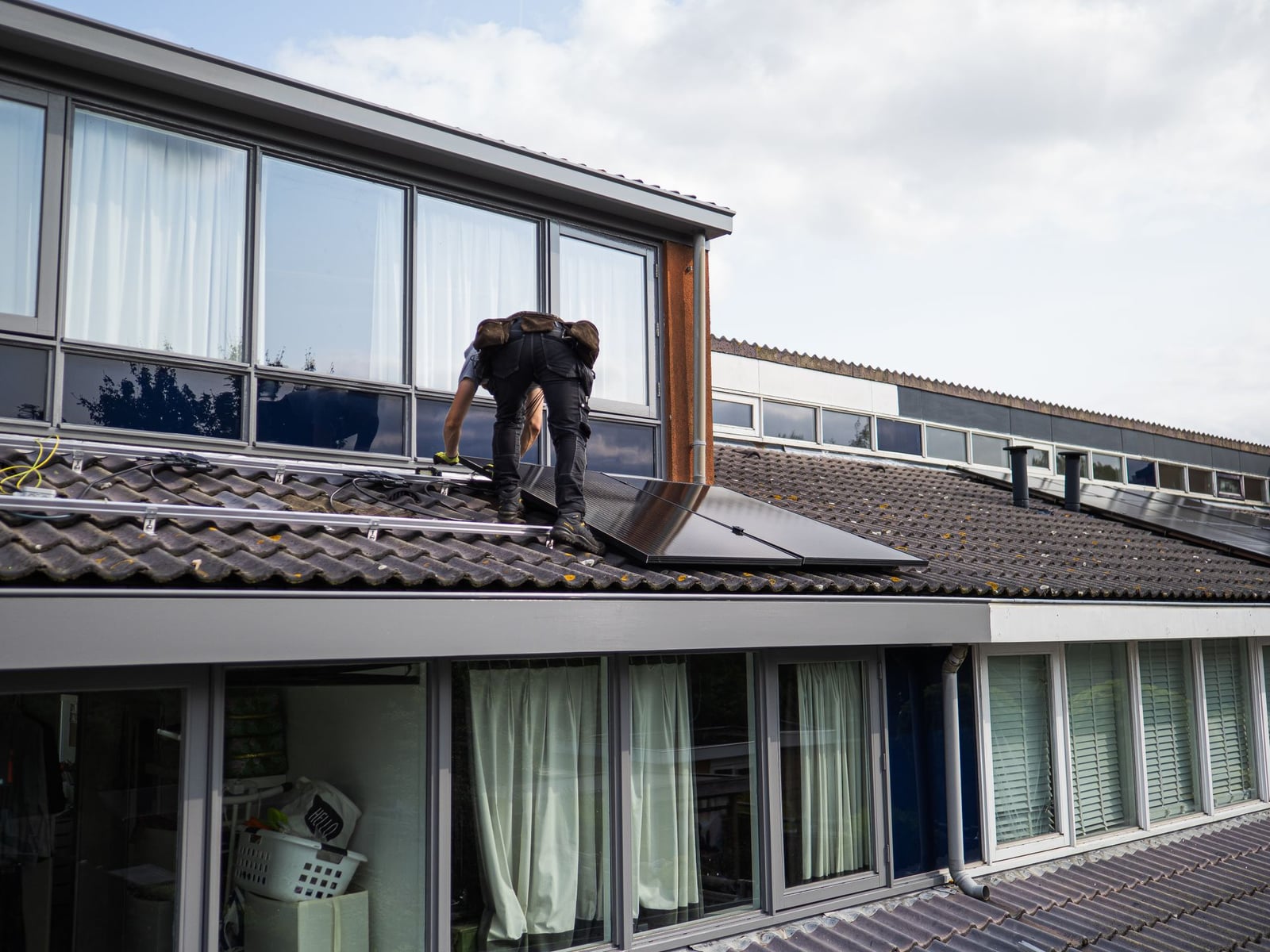
Not meaningfully. Because compliant materials exist across every major product line at every price point, hitting Title 24's numbers rarely means a significant premium over a non-compliant equivalent. Any small difference in material cost is typically offset over time by lower cooling bills, since a cooler roof surface reduces how hard your air conditioning has to work during the hottest months. It's also worth checking what rebates and tax credits actually apply to a compliant material before assuming the upgrade costs more out of pocket.
What Happens If You Skip It
If your project crosses the square footage threshold, Title 24 compliance is checked as part of the permitting process, not something you can simply opt out of. A contractor who suggests skipping it to save money or speed things up is putting you at risk of a failed inspection, a stalled permit, or having to redo the work. It's worth confirming compliance is built into your quote before work begins, the same way you'd confirm any other material or scope detail. If your property also falls in a designated fire hazard zone, it's worth checking what Class A fire-rated roofing requirements apply at the same time.
Frequently Asked Questions
What is Title 24 and does it apply to my roof replacement? +
Title 24 is California's Building Energy Efficiency Standards. For roofing, it applies to new construction and to re-roofs that replace or recoat 1,000 square feet or more, or more than 50 percent of the roof surface.
What is Solar Reflectance Index (SRI) and what does my roof need? +
SRI measures how well a roofing material reflects heat instead of absorbing it. For Huntington Beach, in Climate Zone 6, steep-slope residential re-roofs need a minimum 3-year aged solar reflectance of 0.20 and thermal emittance of 0.75.
Do I need a cool roof for a small repair? +
No. Title 24's roofing requirements only trigger at 1,000 square feet or more of roof surface replaced or recoated, or more than 50 percent of the total roof. A patch or small section repair generally falls below that threshold.
What climate zone is Huntington Beach in for Title 24 purposes? +
Huntington Beach falls in California Climate Zone 6, the coastal Los Angeles Basin zone, which covers most of coastal Orange County and the South Bay.
Does a cool roof cost more than a regular roof? +
Compliant materials exist in every major category, shingle, tile, and metal, often at a similar price point to standard products. Any added cost is usually small compared to the total project and can be offset by lower cooling bills.
Title 24 isn't optional paperwork you can quietly skip, but it's also not the obstacle it sounds like. A licensed contractor who already stocks CRRC-rated products in the style you want handles this as a normal part of the job, not a separate hurdle.