
This question comes up constantly, and the answer genuinely depends on how your home is built, not just what your HOA's rules happen to say. Get it wrong and you either pay for something the association owed you, or find out too late that a leak's interior damage was always on you.
The Legal Baseline: California Civil Code Section 4775
California law is fairly direct here. Civil Code Section 4775 establishes that associations maintain common areas while owners maintain their separate interests, and that duty on the HOA's side is mandatory, not contingent on budget, board discretion, or a vote. The catch is figuring out which category your roof actually falls into, and that's where the real distinction lives.
Detached vs. Attached: Why It Depends on How Your Home Is Built
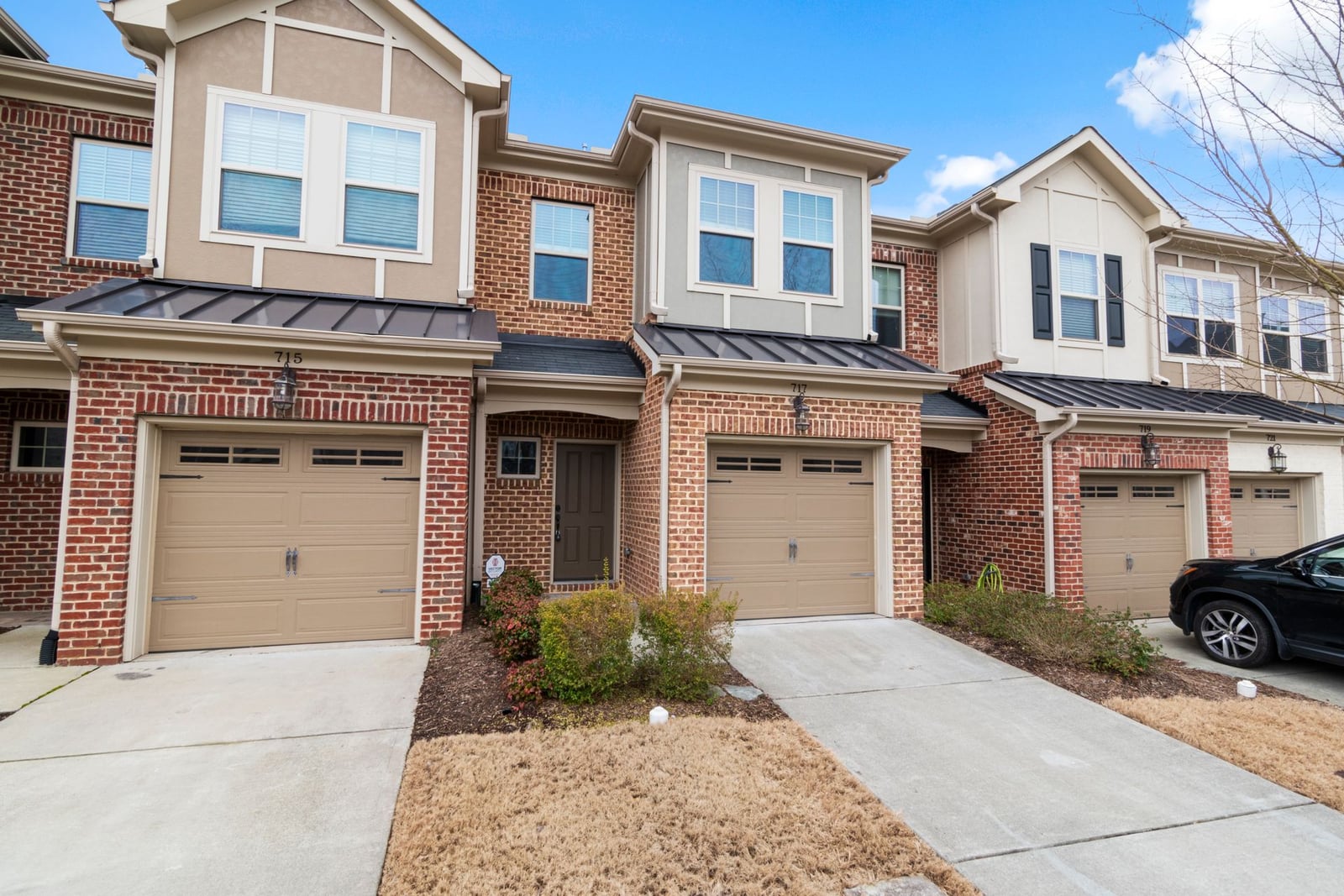
If you own a detached single-family home inside an HOA, your roof is your own separate property, and you're the one who pays for it, even though you still need architectural approval before changing anything, which we cover in our guide to HOA approval for roof replacement. The situation flips in an attached condo or townhome, where the roof physically covers multiple units and is structurally part of the building itself. In that setup, the roof is almost universally classified as a common element, making it the association's asset, and the association's financial responsibility, not any individual owner's.

How the HOA Actually Pays for a Roof
When the roof is a common element, the association funds its repair and eventual replacement through regular HOA dues and a dedicated reserve account built up specifically for major, big-ticket items like roofing. Owners are still paying for it, just indirectly, through the monthly dues that feed that reserve fund rather than through a bill tied to their specific unit. A well-managed HOA budgets for this years in advance based on the roof's expected remaining life.
When a Special Assessment Happens
Reserve funds don't always keep pace with actual costs, especially in associations that underfunded their reserves for years or got hit with an unexpected repair. When that happens, the HOA typically issues a special assessment, a one-time fee billed to every owner to cover the shortfall. Roof replacement is one of the most common triggers for exactly this kind of assessment, which is worth knowing if you're evaluating an HOA's financial health before buying into one.
The Exception Almost Nobody Expects: Interior Damage Is Usually on You
This is the part that catches condo owners off guard. Even when the HOA is clearly responsible for repairing the roof itself, the interior damage that leak caused, a water-stained ceiling, damaged drywall, ruined flooring, is typically the individual owner's responsibility, not the association's. That gap is exactly what an HO-6 condo insurance policy is built to cover, sitting alongside the details we walk through in our guide to what homeowners insurance actually covers on a roof. If you own a condo and don't carry an HO-6 policy, or aren't sure what it actually covers, this is the exact scenario where that gap becomes expensive.
What to Check in Your Governing Documents Before Assuming Anything
The general rule above is the default, but CC&Rs can, and sometimes do, assign responsibility differently, particularly for areas classified as exclusive-use common elements, portions of a shared structure that only benefit one unit. Before assuming either way, actually read your governing documents or ask your HOA management company for a direct answer in writing. This is worth doing before a leak happens, not while water is actively coming through the ceiling.

Frequently Asked Questions
Does the HOA pay for roof repairs in a condo? +
Usually, yes. Under California Civil Code Section 4775, associations are legally required to maintain common areas, and in most condo buildings the roof is classified as a shared common element, funded through HOA dues and reserve accounts rather than billed to one owner.
What's the difference between a detached home in an HOA and a condo when it comes to roof responsibility? +
In a detached single-family home within an HOA, you typically own and pay for your own roof, but still need architectural approval before changing it. In an attached condo or townhome, the roof itself is often a shared structure, making it the association's financial and maintenance responsibility rather than the individual owner's.
What happens if the HOA's reserve fund doesn't have enough for a roof replacement? +
The association typically issues a special assessment, a one-time fee billed to all owners to cover the shortfall. This is one of the most common triggers for special assessments, particularly in associations with underfunded reserves.
Am I responsible for interior damage if the HOA's roof leaks? +
Often, yes. Even when the HOA is responsible for the roof itself, unit owners are typically responsible for resulting interior damage, like a water-stained ceiling, which is usually covered by the owner's own HO-6 insurance policy rather than the association's master policy.
How do I find out exactly who's responsible for my roof in my HOA? +
Review your CC&Rs directly, since governing documents can assign responsibility differently than the general default, especially for exclusive-use common areas. If it's unclear, ask your HOA management company for a direct, written answer before assuming either way.
The roof over your head and the roof you're financially responsible for aren't always the same roof, legally speaking. Knowing which situation you're actually in, before a leak forces the question, saves a lot of confusion and a few awkward conversations with your HOA board.