

Flat roof repair in Huntington Beach comes down to catching three things early: ponding water that never fully drains, seams that have started to separate, and flashing where the membrane meets a wall, vent, or edge. Almost every flat roof leak we get called out for traces back to one of these three, and the fix looks different depending on whether the roof is TPO, EPDM, or modified bitumen. This guide walks through what actually goes wrong, how each material gets repaired, and what to watch for before a small issue turns into an interior repair.
Why Flat Roofs Need a Different Approach Than Sloped Roofs
A sloped, shingled roof sheds water by design. A flat or low slope roof relies on a continuous waterproof membrane and a working drainage system to move water off before it sits and causes damage. That single difference changes almost everything about how these roofs are inspected, maintained, and repaired. There is no single shingle to swap out. Instead, a technician is looking at the whole membrane surface, the seams between sheets, and every point where something penetrates the roof, from a vent pipe to a rooftop AC unit.
Common Flat Roof Materials in Huntington Beach
Most flat roofs on homes and small commercial buildings here use one of three membrane types, and knowing which one you have changes how a repair gets done.
| Material | Typical Lifespan | Repair Method | Best For |
|---|---|---|---|
| TPO | 15 to 20 years | Heat welded seams | Reflective, energy conscious roofs |
| EPDM | 20 to 25 years | Adhesive patches | Long service life, simpler patch repairs |
| Modified Bitumen | 15 to 20 years | Torch applied or cold adhesive laps | Additions, patios, low traffic sections |

What Causes Most Flat Roof Leaks
Ponding Water
Water that sits on a flat roof for more than 48 hours is considered ponding, and it is the single biggest driver of premature membrane failure. Clogged or undersized drains are almost always the root cause. The water itself does not have to be deep to cause damage. It just has to sit there long enough to slowly break down the membrane surface, and once that happens, even a small crack or blister can turn into an active leak the next time it rains.
Seam Failures
Flat roof membranes come in sheets, and where those sheets join is a seam. On TPO, seams are heat welded, and years of UV exposure can cause that weld to weaken and separate. On modified bitumen, torch applied or cold adhesive seams can fish mouth open if the original bond was not complete. Either way, a failed seam is a direct path for water, and it rarely announces itself until a leak shows up inside.
Flashing Problems
Flashing is the metal or membrane detail that seals the transition where the roof meets a wall, parapet, vent, or piece of equipment. These transitions go through more thermal expansion and contraction than the flat field of the roof, which over time pulls flashing away from the membrane and opens a gap. Flashing failures are a common source of leaks that get blamed on the membrane itself when the membrane was never actually the problem.
Warning Signs You Need Flat Roof Repair
- Water that is still visible on the roof more than two days after the last rain.
- Bubbles or blisters in the membrane surface, especially in high sun areas.
- Cracking or a chalky, brittle texture where the membrane used to feel smooth or slightly flexible.
- Rust streaks or gaps around metal flashing and roof penetrations.
- Interior ceiling stains directly below a flat roof section, even a small one.

Common Mistakes Homeowners and Business Owners Make
- Using a generic sealant or the wrong patch material for the membrane type, which fails to bond correctly and often makes the eventual proper repair harder.
- Ignoring ponding water because it "always drains eventually," rather than finding out why it is not draining on its own.
- Waiting for an active drip inside before calling anyone, instead of acting on the roof level warning signs first.
- Allowing regular foot traffic or storage directly on the membrane, which speeds up wear in those exact spots.
How Huntington Beach's Coastal Climate Affects Flat Roofs
Coastal sun exposure is intense and consistent here, and UV breakdown is one of the main reasons flat roof membranes age faster on south and west facing sections. Salt laden air adds to that by accelerating corrosion on metal flashing and fasteners faster than it would happen further inland. The region's marine layer also keeps moisture and humidity in contact with the roof surface longer on overcast mornings, which is a small but real factor in how quickly a weak seam or flashing point turns into an actual leak.
Repair Approach by Material
Using the right method for the right material matters more on flat roofs than almost anywhere else in roofing. TPO and PVC membranes are single ply systems repaired with heat welding, not adhesive, since a welded seam is what actually matches the original installation. EPDM, being a rubber membrane, is typically patched with a compatible adhesive system rather than heat, and mixing these approaches, like using a patch kit meant for one membrane on another, is one of the more common and costly repair mistakes we see. Modified bitumen repairs usually involve either a torch applied patch or a cold adhesive lap, chosen based on what is safe and practical for that specific roof and location.

Preventive Maintenance Tips
- Keep drains and scuppers clear of leaves and debris, especially heading into the rainy season.
- Schedule a check twice a year, once before the rainy season and once in spring.
- Walk the roofline from the ground or a safe vantage point after any major storm to spot obvious new damage.
- Address a small blister or seam gap as soon as it is found instead of waiting for it to become a leak.
- Keep foot traffic and stored items off the membrane whenever possible.
When to Repair vs Replace
An isolated problem on a membrane that is otherwise in good shape is almost always a repair, even if it means addressing a few different spots. A roof nearing the end of its expected lifespan, with ponding across multiple areas or several seams already failing, is a different situation. At that point, repeated patches tend to become a pattern of chasing the next leak rather than solving the underlying issue, and a full roof replacement for that section usually ends up being the more cost effective path.
Getting a Professional Flat Roof Repair in Huntington Beach
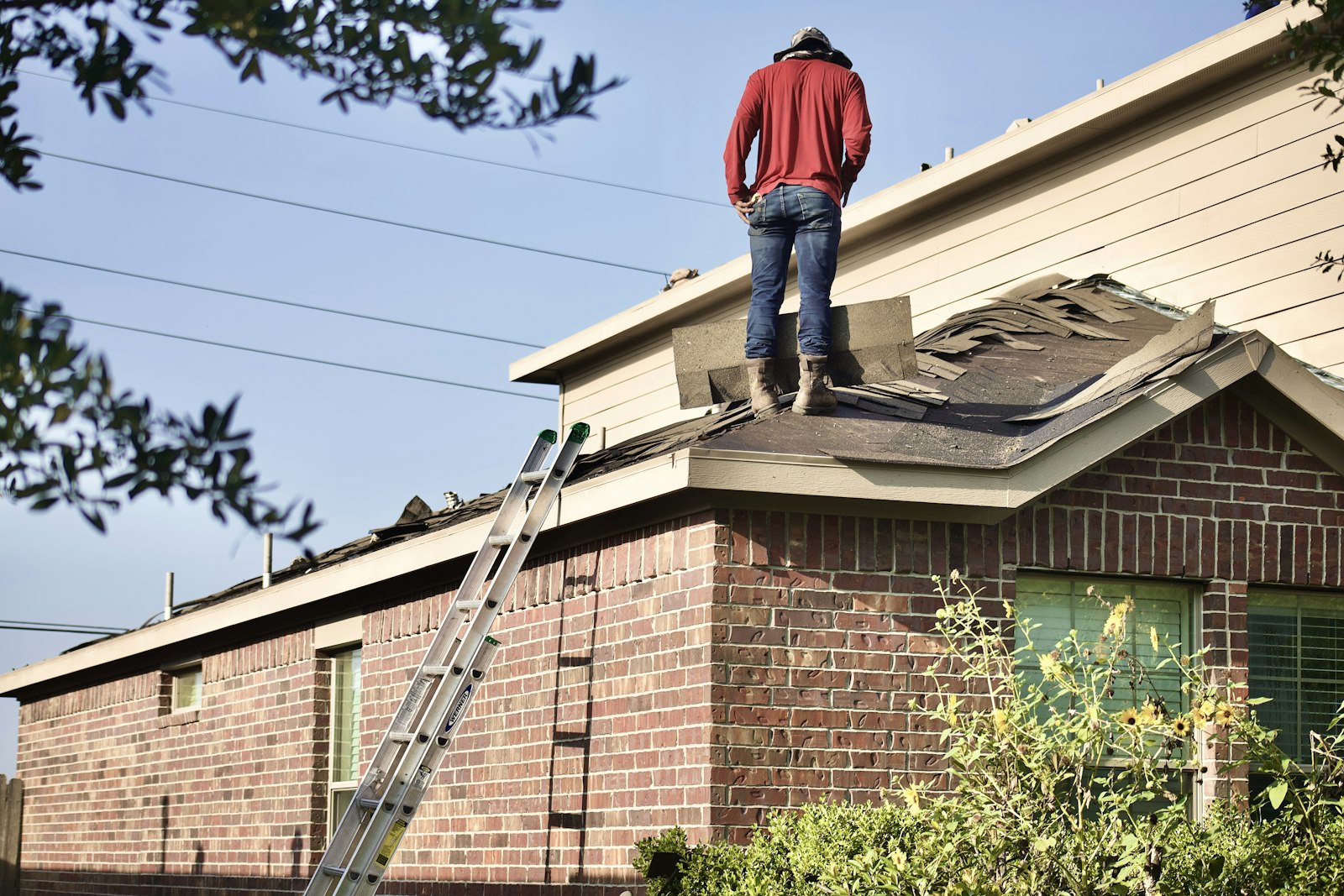
A proper flat roof repair starts with finding the actual source of the problem, not just patching where the stain shows up inside. A professional roof inspection covers the membrane, seams, flashing, and drainage together, which matters since these roofs fail as a system rather than one part at a time. If you already have water actively coming through, an emergency roof repair can stop the immediate damage while the full fix gets scheduled, and if the damage followed a specific storm, mentioning that upfront helps prioritize a storm damage assessment. Getting ahead of small issues, ideally before the rainy season starts, is consistently the cheaper path compared to waiting for an active leak.
Frequently Asked Questions
What is the most common cause of flat roof leaks? +
Clogged drains causing ponding water is the most common cause. Water that cannot drain within 48 hours sits on the membrane, breaks down the surface over time, and eventually finds a weak seam, puncture, or flashing gap to get through.
How long does a flat roof repair take? +
A localized repair, such as a patched seam or resealed flashing point, usually takes a few hours in one visit. Larger repairs involving multiple sections or a full recoat can take one to two days depending on the roof size and material.
Can I repair a flat roof myself? +
Small, contained fixes with the correct product for your membrane type are sometimes DIY friendly, but matching the wrong patch material to the roof is a common and costly mistake. TPO and PVC need heat welded seams, not adhesive patches, so most repairs are safer left to a professional.
How often should a flat roof be inspected? +
Twice a year is standard, once in late summer or early fall before the rainy season and once in spring to check for winter wear. Commercial flat roofs with rooftop equipment often benefit from a quick check after any major maintenance work near the roof surface too.
Is it cheaper to repair or replace a flat roof? +
Repair is cheaper for isolated, well maintained roofs, even if it means several repairs over the years. Replacement becomes the better value once a roof has widespread ponding, multiple failed seams, or is past its expected membrane lifespan, since repeated repairs on a failing membrane rarely hold long term.
Does California's coastal weather affect flat roofs more than inland areas? +
Yes. Constant UV exposure and salt laden air age flat roof membranes and metal flashing faster near the coast, and the region's marine layer keeps humidity and moisture in contact with the roof surface longer than drier inland climates.
What is the difference between TPO and EPDM roofing? +
TPO is a reflective, heat welded single ply membrane that handles UV exposure well, while EPDM is a black rubber membrane repaired with adhesive patches and known for a long service life. TPO tends to run a bit less expensive, while EPDM has a longer repair track record.
Why does my flat roof keep leaking after repairs? +
Repeat leaks usually mean the actual entry point was never found, a patch was applied with the wrong material for the membrane, or an underlying drainage problem like ponding water was never addressed alongside the visible leak.
Flat roofs are forgiving right up until they are not. Catching ponding water, a lifting seam, or a gap in the flashing early is almost always a simple fix. Waiting until it shows up as a stain on the ceiling is what turns a small repair into a much bigger one.