

Getting your Huntington Beach roof ready before the rain means working through four areas in order: gutters, flashing, the roof surface itself, and the attic, all checked and cleared before the season's first real storm rather than during it. Most rain season leaks trace back to one of these four spots, and almost all of them are cheaper and easier to fix while the roof is still dry.
When Rain Season Actually Hits Huntington Beach
Most of Orange County's yearly rainfall arrives in a short stretch between November and March, often concentrated into a handful of storms rather than spread evenly across the season. A single atmospheric river event can dump more rain in two or three days than the rest of the month combined, which is exactly why small roof problems that seemed fine all summer suddenly turn into leaks the moment one of these storms rolls through. The window to get ahead of it is late September through early November, after the heat has eased off but before the rain does any damage.
Start With a Ground Level Walk Around
Before anything else, walk the perimeter of the house and look up at the roof from a few different angles. You are looking for sagging sections, shingles that look out of place, and anything hanging loose along the edges. This takes ten minutes and does not require a ladder, but it tells you whether the rest of this checklist needs to happen this weekend or can wait a little longer.

Clear the Gutters and Downspouts First
Clogged gutters are one of the most common reasons a roof that is otherwise fine ends up with water damage. Leaves and debris block the flow, water backs up under the roof edge instead of draining away, and the fascia board behind the gutter starts to rot from moisture it was never designed to sit in. Clear every gutter and downspout, then run a hose through the system to confirm water is actually making it all the way to the ground and away from the foundation.
Check Every Flashing Point Around the Roof
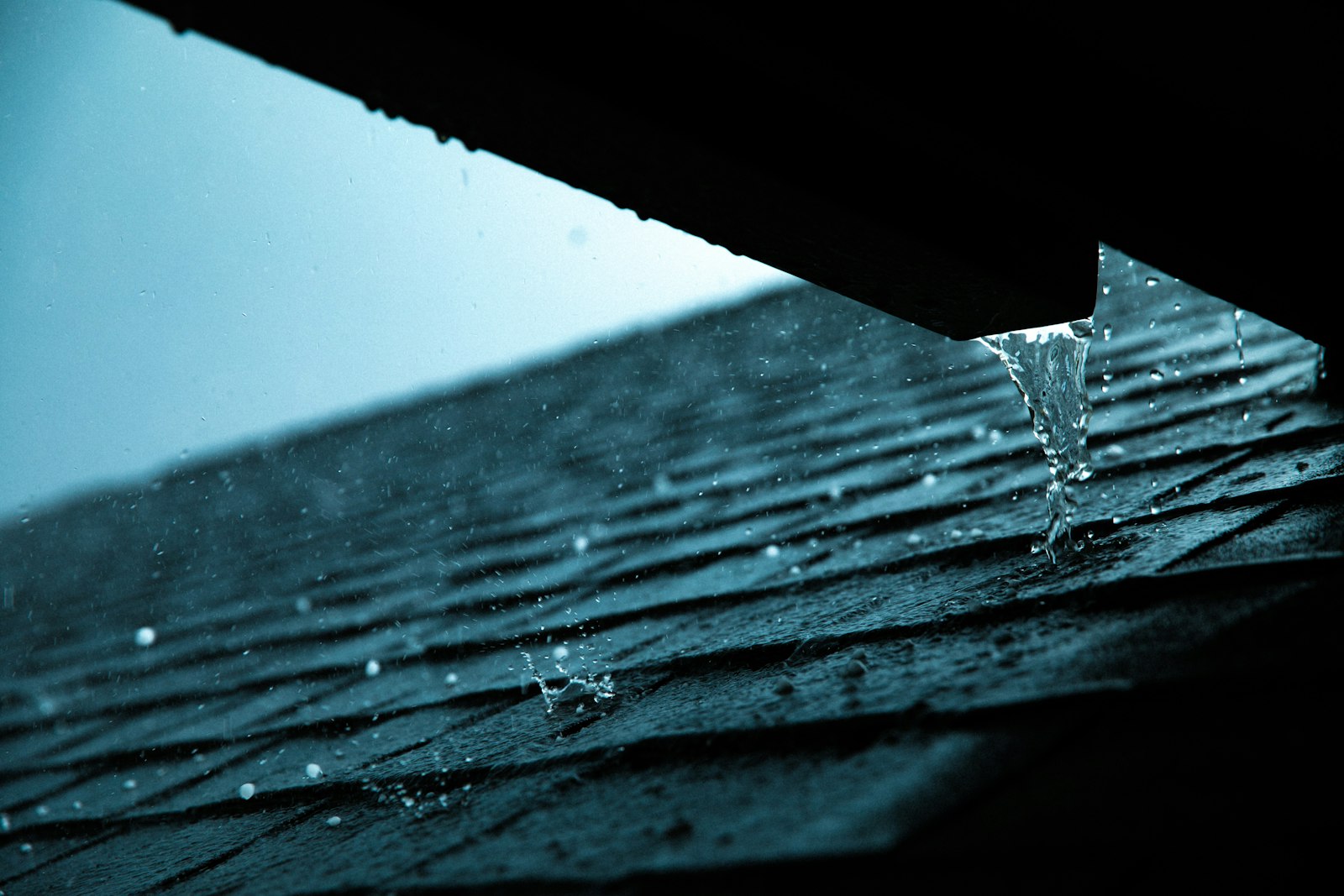
Flashing is the thin metal that seals the joints where the roof meets a chimney, vent pipe, skylight, or wall, and it is where the single largest share of rain season leaks actually start. Sealant around flashing dries out and cracks over time even when the metal itself still looks fine, so a visual check from the ground is not always enough. If a flashing point looks lifted, rusted, or gapped anywhere, it is worth a closer look before the rain gives water a way in through a joint that used to be sealed.
Look for Shingles That Won't Survive the First Storm
A shingle that is already curling, cracked, or missing granules is not going to hold up any better once wind and rain start hitting it directly. If you have not already checked, our guide on how to spot cracked or curling shingles from the ground walks through exactly what to look for without needing a ladder. Catching these now means a straightforward shingle repair instead of an emergency call once water is already coming through.

Check the Attic for Early Warning Signs
A few minutes in the attic tells you things the roof surface cannot. Look for water stains on the underside of the roof deck, damp or matted insulation, and any daylight coming through where it should not be. These are early signs of a leak that has not made it to the ceiling yet, and finding them now, while the roof is dry, gives you time to schedule a repair instead of dealing with an active drip during a storm.
Trim Back Trees Before the Wind Picks Up
- Cut back branches that hang over or rub against the roof surface.
- Clear leaves and small branches already sitting in valleys or against the chimney.
- Remove any dead or weak limbs that could break off in strong wind and land on the roof.
- Rake up debris near downspouts so it does not wash back into the gutters on the first heavy rain.
Why Waiting Until It Is Raining Costs More
Every item on this list is cheaper to fix on a dry, sunny day than during or after a storm. Once rain is actually falling, a flashing reseal that would have taken an hour turns into storm damage repair, a small ceiling stain becomes a bigger one, and scheduling gets harder because every roofing crew in the area is dealing with the same storm at once. Getting ahead of it while the weather is still calm is almost always the cheaper path.

When to Call a Professional Instead of Handling It Yourself
A ground level walk around and a gutter cleaning are safe for most homeowners to handle. Checking flashing seals up close, getting on the roof itself, or investigating a stain you found in the attic is where it makes sense to bring in a professional roof inspection. If you find a problem that is already letting water through, an emergency roof repair can stop it from spreading while the rest of the checklist waits, and if there is a roof leak already active, that always comes first.
Frequently Asked Questions
When should I get my roof ready for rain in Huntington Beach? +
Late September through early November is the ideal window, after the summer heat has passed but before the first real storms of the season arrive. Waiting until rain is already in the forecast leaves little time to fix anything you find.
What causes most roof leaks during the rainy season? +
Failed or deteriorated flashing around chimneys, vents, and skylights is the single biggest source of rain season leaks, followed by clogged gutters and cracked or missing shingles that let water reach the roof deck directly.
Can I do a rain readiness check myself? +
A basic ground level walk around, checking gutters, and looking for obvious shingle damage is something most homeowners can do safely. Checking flashing seals and the attic for hidden moisture is better left to a professional inspection.
Do I still need a roof check if my roof is fairly new? +
Yes. Newer roofs are less likely to have widespread wear, but gutters still clog, flashing sealant still ages, and debris still builds up regardless of the roof's age, so a quick seasonal check is still worth doing.
None of this takes more than a weekend, and most of it costs nothing but time. Handle it now, while the roof is dry and the schedule is open, and the first big storm of the season becomes a lot less stressful to sit through.