

You can spot cracked or curling shingles from the ground by looking for lifted or upturned edges, wavy or uneven rows, dark cracks running across individual shingles, and bald patches where the surface granules have worn away. Stand back far enough to see the whole roof plane at once, focus first on the eaves and ridge line where wear shows up earliest, and use binoculars if you want a closer look without a ladder.
What Curling Shingles Look Like From the Ground
Curling shows up in two main patterns. Cupping is when the edges of a shingle lift upward while the center stays flat, giving the shingle a shallow bowl shape. Clawing is the opposite, where the center lifts while the edges stay down, giving the surface a bumpy, uneven texture across a whole section. Both are visible from a distance because they break up the flat, uniform look of a healthy roof plane and catch the light differently once the sun hits them at an angle.
What Cracked Shingles Look Like From the Ground
Cracks usually appear as thin, dark horizontal or vertical lines running across a shingle's surface, most common on older asphalt shingle roofs that have gone through years of expansion and contraction from heat. From the ground, a cracked shingle often looks like a subtle shadow line rather than an obvious gap, so scanning the roof slowly in sections is more effective than a single quick glance.

Safe Ways to Inspect Without a Ladder
There is rarely a good reason to climb onto the roof yourself just to look for damage.
- Walk the full perimeter of the house and view the roof from several angles, not just one.
- Use binoculars to get a closer look at specific areas without leaving the ground.
- A phone camera with digital zoom works almost as well as binoculars for a quick check.
- A second story window or an upstairs balcony can offer a much better angle on a single story section.
- If you do use a ladder, standard ladder safety guidelines still apply, and it is best kept to viewing only, not walking on the roof itself.
Where to Look First
Not every part of the roof wears at the same rate. The eaves and the ridge line take the most direct sun and temperature swings, so damage tends to show there first. Areas around a chimney, vents, or a skylight are also worth a close look, since the flashing and shingles nearby work harder to stay sealed. Valleys, where two roof planes meet, collect more water and debris than flat sections and are worth checking after every heavy rain.
Other Ground Level Clues
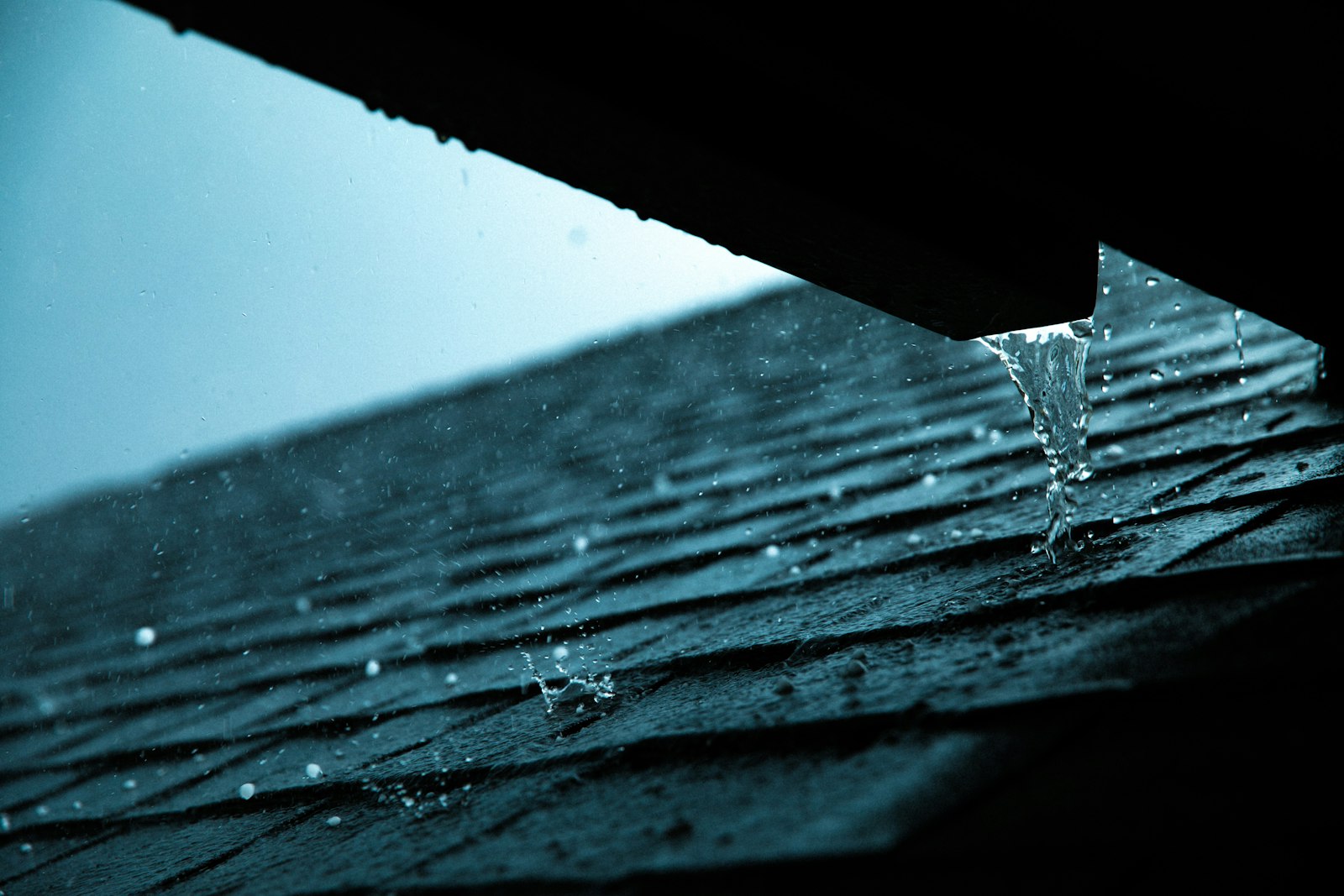
Not every warning sign is on the roof itself. Check your gutters and downspouts for a buildup of gritty, sand like granules, which means the protective coating on the shingles is wearing away even if curling is not obvious yet. Small pieces of shingle material in the yard after a windy day are another sign worth investigating, especially following a Santa Ana wind event.
What Causes Shingles to Curl or Crack in Huntington Beach
Age is the most common factor, since every asphalt shingle roof eventually reaches the end of its expected lifespan. In Huntington Beach specifically, constant sun exposure and repeated heat cycling accelerate the process on south and west facing roof planes, while poor attic ventilation traps heat underneath the roof deck and ages shingles from below as well as above. Storm and wind events add sudden stress on top of that gradual wear, which is why damage often becomes visible right after a windy stretch even though the underlying wear had been building for years.
When to Call a Professional
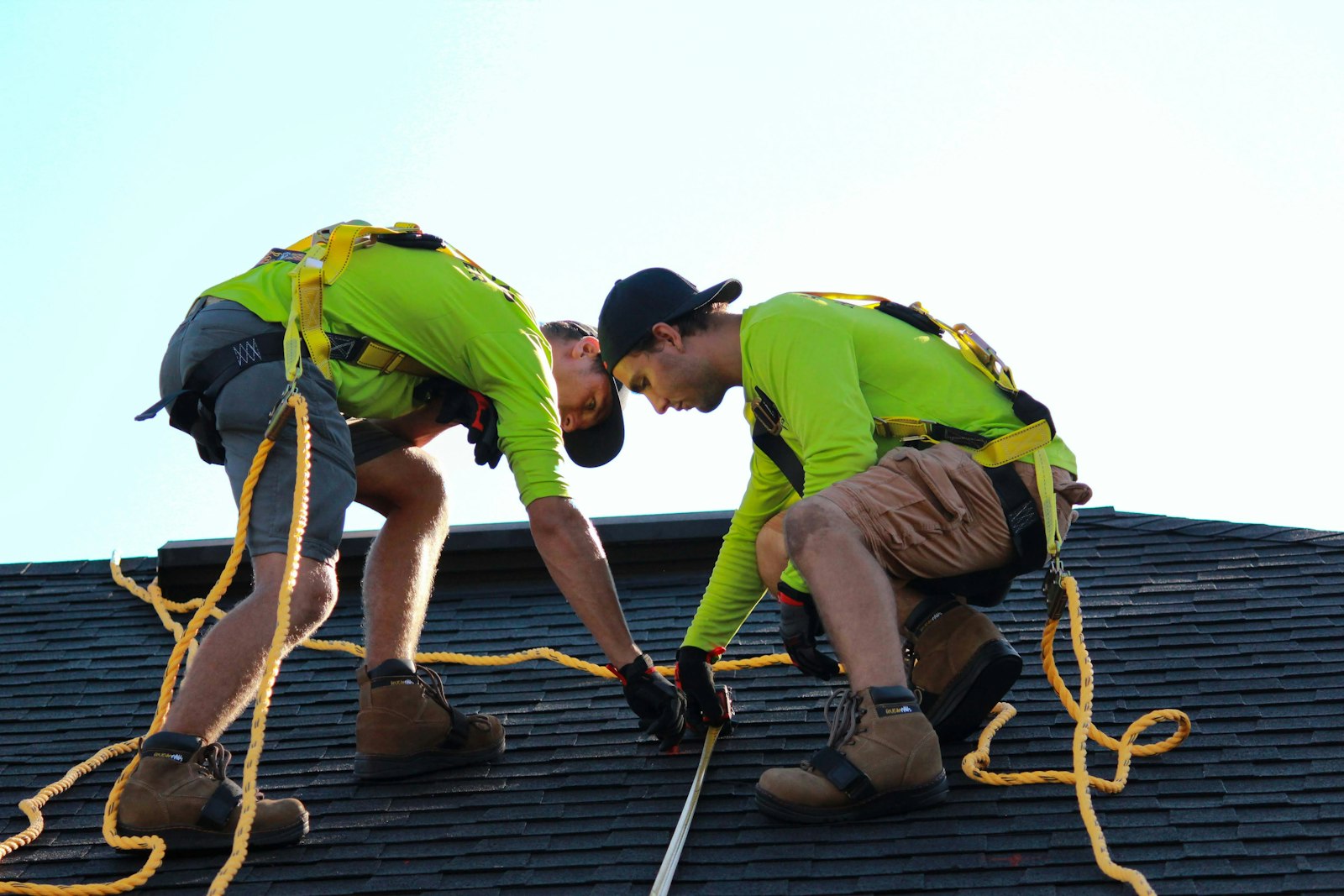
A few curling or cracked shingles in one area is usually a straightforward shingle repair. Widespread curling across most of the roof, active dripping, or ceiling stains appearing alongside the visible damage are signs to move faster, and may point toward a roof leak repair or, if the damage is extensive, a full roof replacement. A professional roof inspection is the only way to know for certain which situation you are in, and if the damage is actively letting water in, an emergency roof repair can stop the damage from spreading while a permanent fix is scheduled.
Frequently Asked Questions
Can I really tell shingle damage from the ground? +
Yes, in most cases. Curling, missing, and heavily cracked shingles are usually visible from the ground or with a pair of binoculars, though smaller cracks and granule loss are easier to confirm up close during a professional inspection.
Should I climb up to check my shingles myself? +
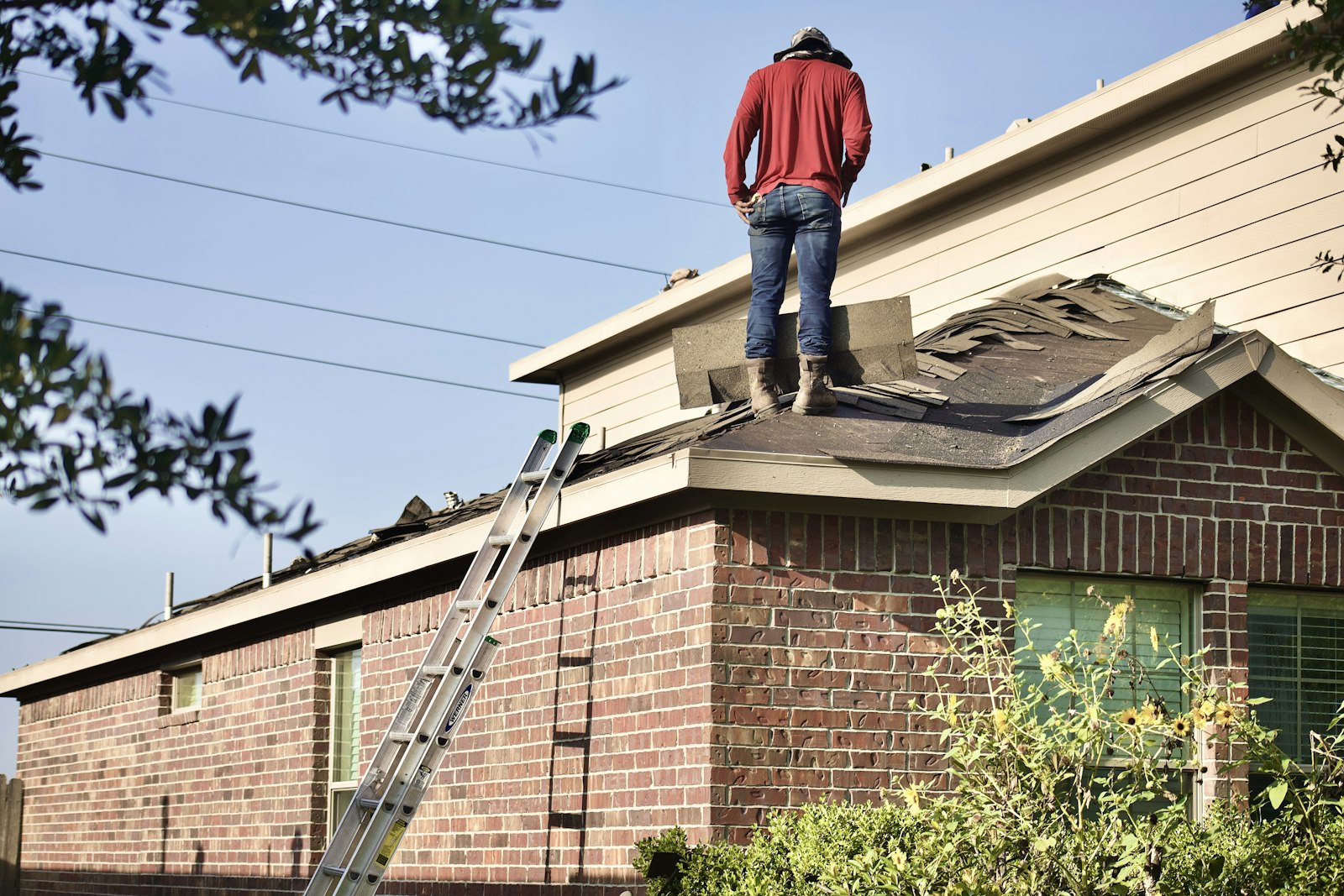
It is not recommended. Roofs are more dangerous to walk on than they look, especially once shingles are already curling or cracked, and a ground level check paired with a professional inspection is a safer approach.
Do a few curling shingles mean I need a whole new roof? +
Not necessarily. A handful of curling shingles in one area can often be repaired individually. Widespread curling across most of the roof is more likely a sign the roofing material is reaching the end of its lifespan.
How often should I check for curling or cracked shingles? +
A quick ground level look every few months, plus a check after any major windstorm, is enough to catch most problems early.
A five minute walk around the yard is often enough to catch shingle damage early, long before it turns into a leak. When something looks off, a professional inspection gives you a clear, honest answer about what it actually needs.