
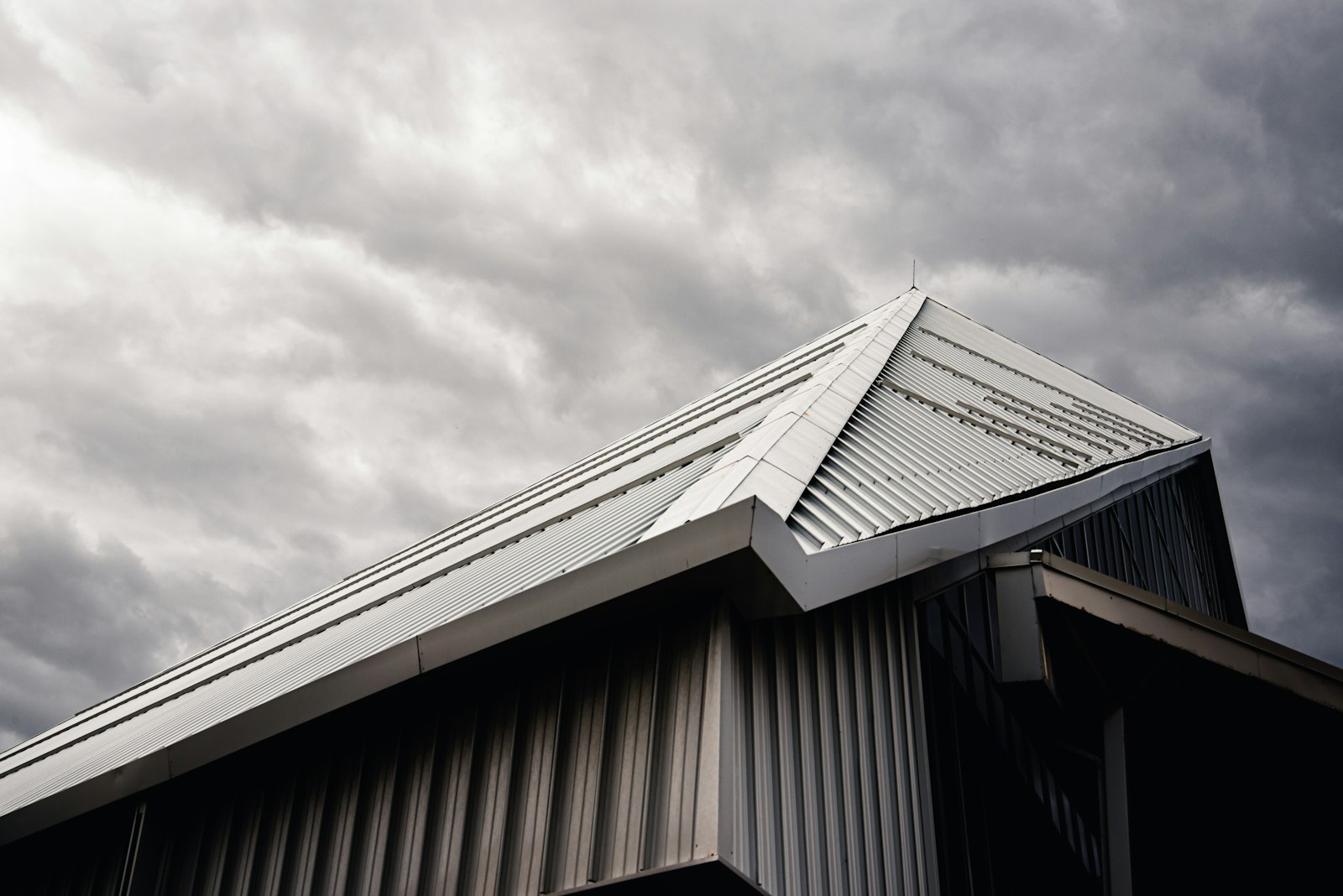
Santa Ana winds can cause real, sometimes sudden roof damage in Huntington Beach, from lifted and missing shingles to torn flashing and debris punctures. These dry, offshore wind events are most common from September through March, and Southern California typically sees somewhere between 10 and 25 distinct high wind events across that stretch, with gusts regularly reaching 40 to 60 mph and occasionally higher. A roof that is already a little worn going into wind season is far more likely to fail during one of these events than a roof that has been recently inspected and secured.
What Are Santa Ana Winds
Santa Ana winds are strong, dry winds that flow from the inland deserts toward the Southern California coast, picking up speed as they funnel through canyons and mountain passes on their way to the ocean. Unlike the cooler, moist onshore breeze Huntington Beach usually gets, Santa Ana events push hot, dry air in the opposite direction, often with gusts far stronger than typical coastal wind. They are most active in fall and winter, which is exactly when many homeowners are least focused on roof maintenance.
How Santa Ana Winds Damage a Roof
Lifted and Missing Shingles
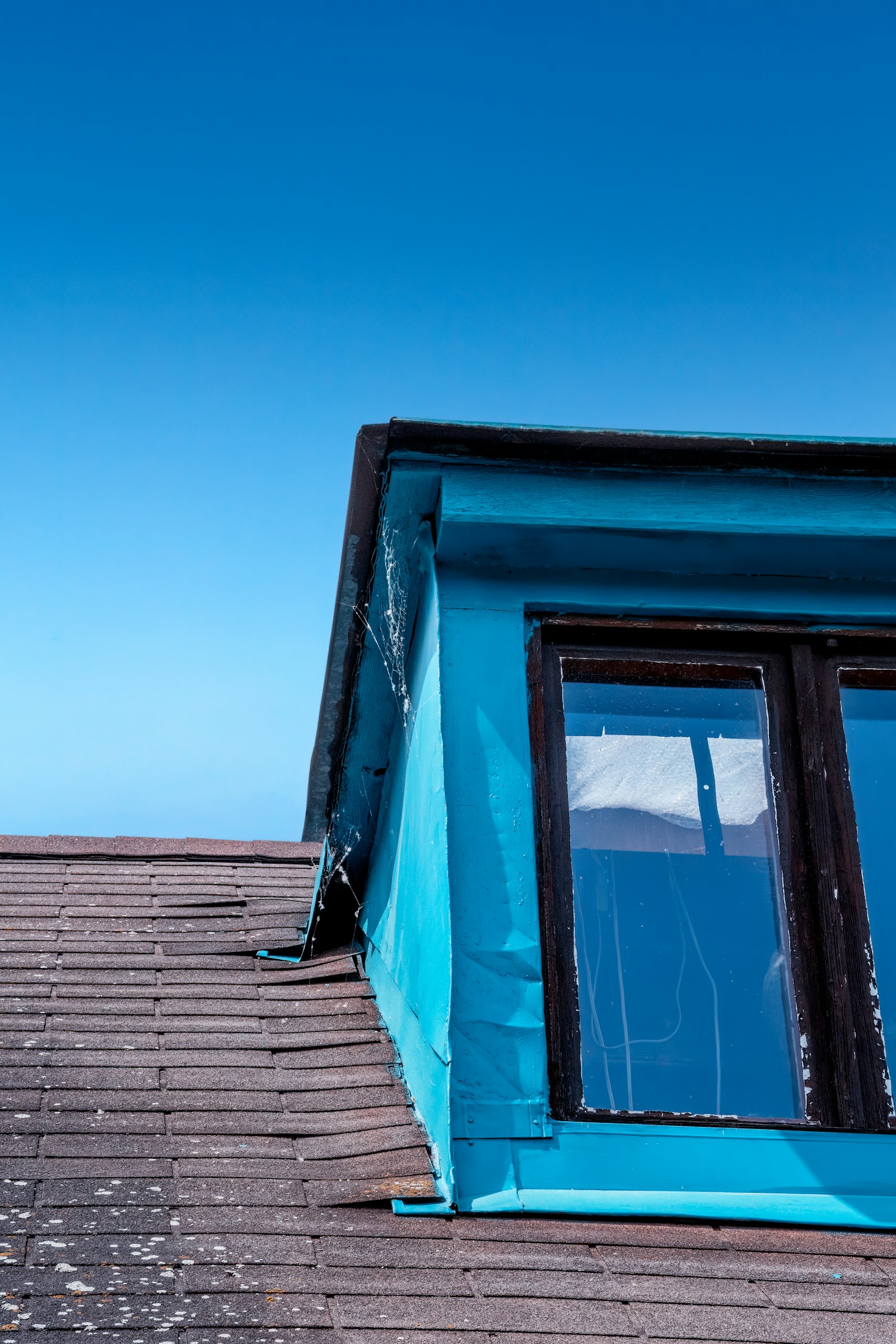
Sustained gusts get underneath the edges of shingles and pry them upward. At 45 to 60 mph, older or already loosened shingles start to lift and separate. Once gusts climb into the 60 to 75 mph range, it is common to see significant shingle loss with the underlayment underneath fully exposed to the weather.
Ridge and Edge Damage
The ridge line and roof edges take the brunt of a wind event because that is where pressure changes are the most extreme as wind moves over the roofline. Ridge caps and edge flashing that are not properly secured are often the first things to fail, sometimes before any damage shows up elsewhere on the roof.
Flying Debris Punctures
Santa Ana winds do not just move air, they move everything that is not tied down. Palm fronds, loose branches, and yard debris routinely end up airborne during a strong event, and a piece of debris striking a roof at high speed can crack tiles, puncture shingles, or dent flashing. Homes near mature trees see this most often. Palm trees specifically deserve their own attention here, since dead fronds and palm debris behave differently than regular yard trees, which we cover in our guide to palm trees and roof damage.
Flashing and Seal Failure
Flashing around chimneys, vents, and skylights relies on a tight seal to keep water out. Wind pressure and vibration during a Santa Ana event can work these seals loose over time, even without any single dramatic moment of damage. A roof can come through several wind seasons looking fine on the surface while the flashing seals underneath are slowly failing.
Which Homes Are Most at Risk in Huntington Beach
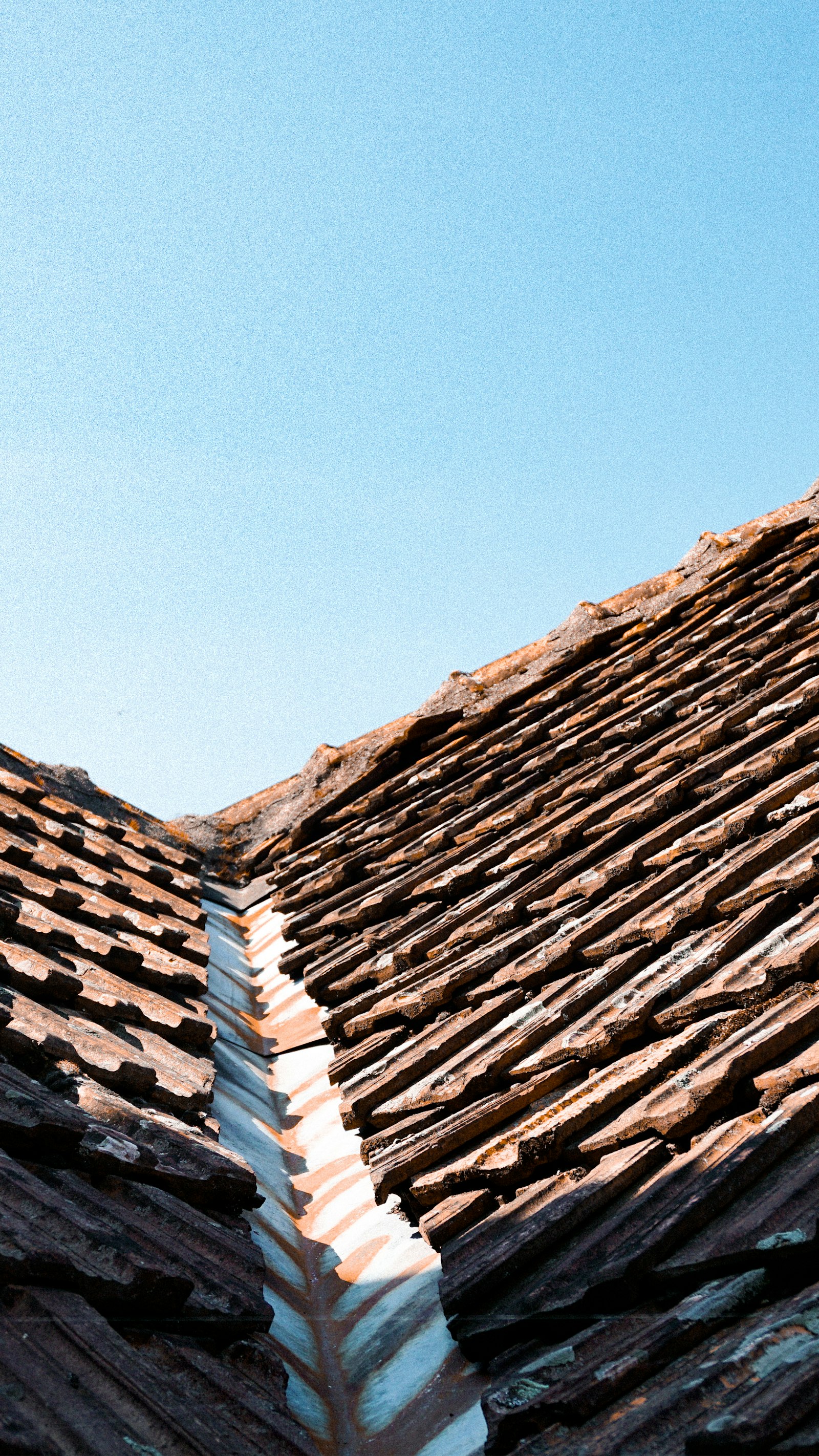
Homes with older roofing, homes near large trees or palms, and homes on higher or more exposed lots tend to see the most wind related damage. Coastal neighborhoods that already deal with salt air corrosion on flashing and fasteners are at additional risk, since weakened metal fails faster under wind pressure than metal that has not been exposed to the marine layer for years.
How to Prepare Your Roof Before Wind Season
- Schedule a roof inspection in late summer, before the September through March wind window begins.
- Have any loose, curling, or missing shingles repaired before a wind event puts more stress on them.
- Ask your roofer to check and reinforce fastening on ridge caps and roof edges specifically.
- Trim back tree branches and palm fronds that hang near or over the roof.
- Clear gutters so wind blown debris does not add to existing drainage problems.
What to Do After a Santa Ana Wind Event
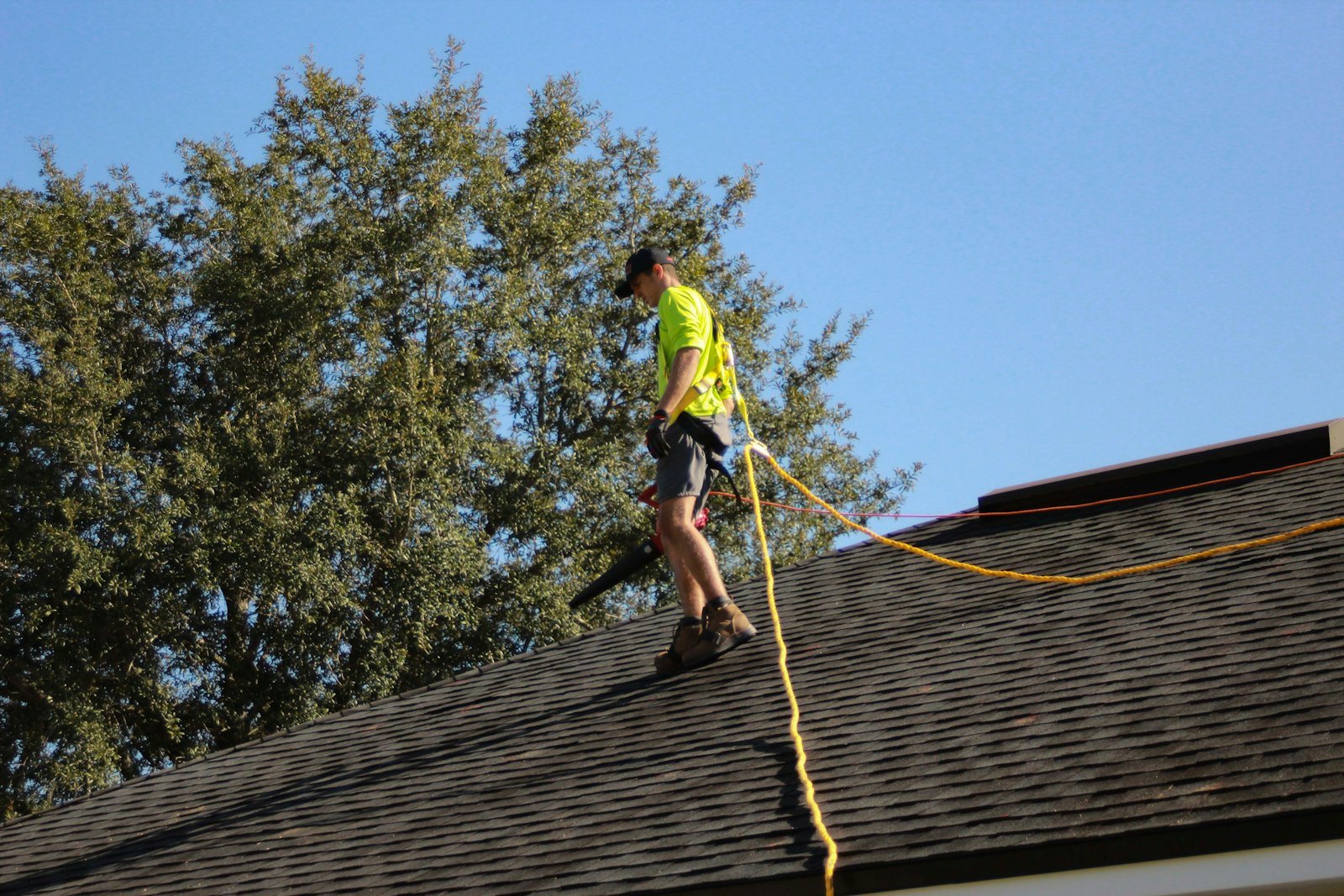
Once winds die down, do a safe ground level check of your roof with binoculars, looking for missing shingles, displaced tiles, or debris caught on the surface. Check your attic for any new signs of daylight or moisture. If you spot obvious damage, a tarp may be needed to stop further exposure until a permanent repair can be scheduled. Avoid climbing onto the roof yourself, since wind events often leave materials loose or unstable in ways that are not visible from the ground.
Does Insurance Cover Santa Ana Wind Damage
Most standard homeowners policies cover sudden wind damage, including shingles or tiles lost during a Santa Ana event. If the damage is widespread enough to compromise the roof's overall integrity, insurance may cover a full section or full roof replacement rather than just a patch. Coverage typically does not extend to damage from a roof that was already worn or poorly maintained before the wind arrived, which is one more reason a pre season inspection is worth doing.
Frequently Asked Questions
How strong do Santa Ana winds get in Huntington Beach? +
Most Santa Ana events bring sustained winds and gusts in the 40 to 60 mph range, though stronger events can push gusts past 70 mph. Even the lower end of that range is enough to lift poorly secured shingles.
When is Santa Ana wind season? +
Santa Ana winds are most frequent from September through March, with Southern California typically seeing somewhere between 10 and 25 distinct high wind events across that stretch.
Does homeowners insurance cover Santa Ana wind damage? +
Most standard homeowners policies cover sudden wind damage, including shingles or tiles lost during a Santa Ana event. Coverage typically does not extend to damage from a roof that was already worn or poorly maintained before the wind hit.
Can I inspect my own roof for Santa Ana wind damage? +
You can do a safe ground level check with binoculars, looking for missing or lifted shingles, displaced tiles, and debris on the roof. Getting on the roof yourself is not recommended, since wind events often leave loose or unstable materials that are not obvious from below.
Santa Ana winds are a predictable part of living in Huntington Beach, which means the damage they cause is largely preventable. A roof that goes into wind season already inspected and secured comes out the other side in far better shape than one that does not.