
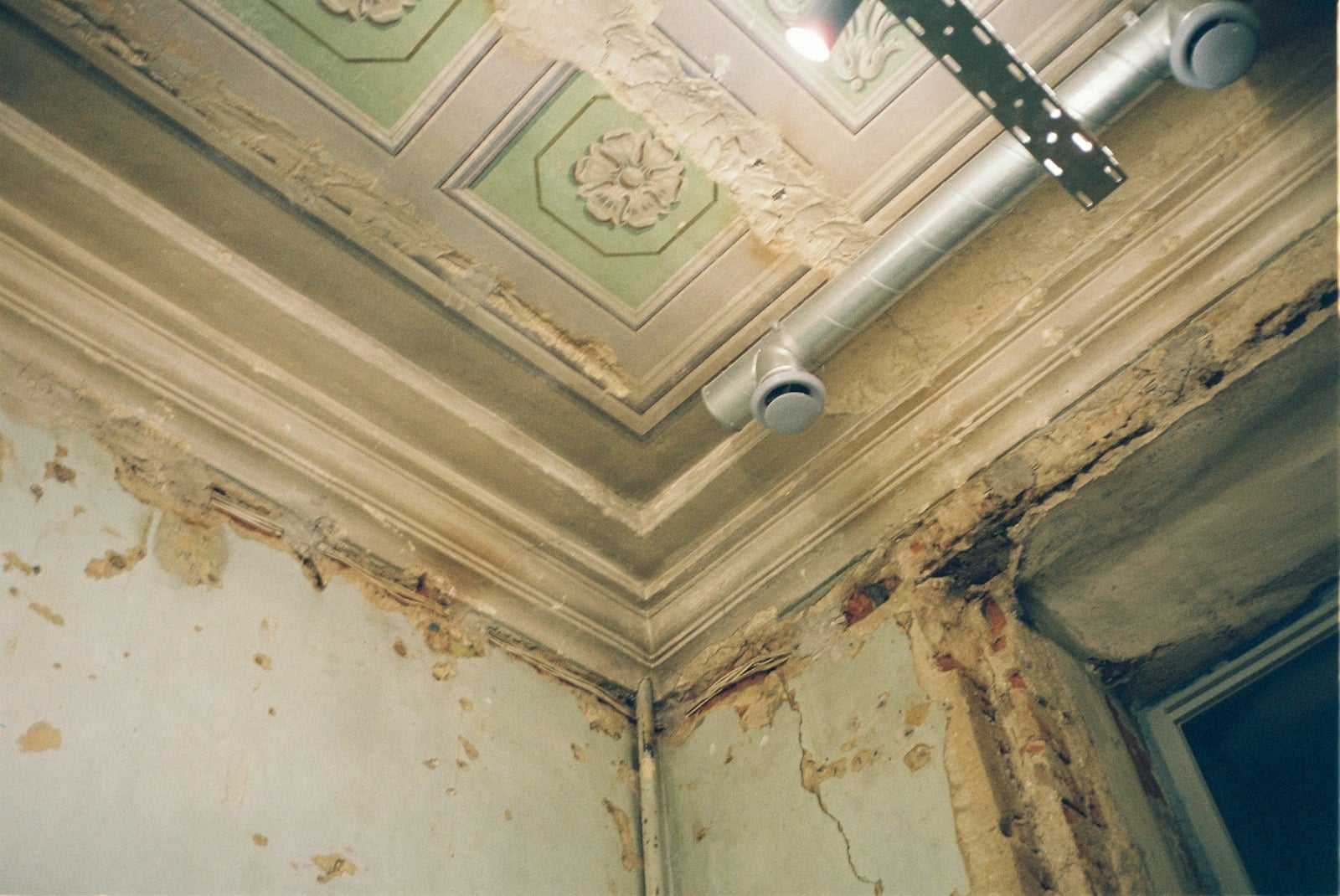
A small roof leak is actually a big structural problem the moment water has reached the wood framing underneath, rather than just the drywall, paint, or insulation you can see from the room below. The size of a ceiling stain tells you almost nothing about this on its own. A leak that has been quietly dripping into the same spot for six months can do far more damage than a much larger stain caused by a single recent storm, because it is time and moisture, not the size of the mark, that actually breaks down wood.
Why Leak Size Does Not Equal Damage Size
A ceiling stain is just where water happened to travel before gravity pulled it through the drywall, which is often nowhere near the actual point where it entered the roof. Water can run several feet along a rafter or a piece of decking before dripping down, so the visible stain is really only a clue, not a map of the damage. This is exactly why two leaks that look identical from inside the house can require completely different repairs once someone actually opens up the ceiling or checks the attic.
Signs the Leak Has Reached the Structure
A handful of specific signs separate a surface level stain from a leak that has already started affecting the wood framing underneath.
- A soft or spongy feel when you press gently on the ceiling or attic decking.
- Any visible sag, even a slight one, in an otherwise flat ceiling or roofline.
- Wood in the attic that looks dark, swollen, or crumbles when pressed.
- A musty smell that persists even after the surface dries out.
- Doors or windows nearby that have started sticking, which can point to shifting caused by a rotted support.

How Long the Leak Has Been There Matters More Than How Big It Looks
Wood does not rot from a single wetting. It rots from being wet repeatedly without enough time to fully dry out between exposures, which is exactly what happens with a slow, intermittent roof leak. A leak that only shows up during heavy rain can go unnoticed for one or two rainy seasons before anyone connects a small yearly stain to an actual problem, and by then the framing underneath has had far more exposure than the size of the stain would suggest.
What Happens to Wood Framing When It Stays Wet
Roof decking, rafters, and trusses are structural wood, and repeated moisture exposure leads to wood decay that weakens the material from the inside before it becomes obviously visible from outside. Early on, the wood may just feel slightly soft. Left alone, the same process continues until the wood loses enough strength to properly support the roof's weight, which is when a small, localized dip can start turning into a genuine sag in the roofline. This is exactly why an overlay over an existing leak-prone roof is such a gamble, since a layer of new shingles hides deck damage instead of exposing it. See our guide on decking rot signs and what replacement costs for what that damage actually looks like and what fixing it runs.

Check the Attic Before You Assume It Is Minor
If you can safely access your attic, a flashlight check is the fastest way to tell a minor leak from a bigger one. Look directly above where the ceiling stain shows up, and check a few feet in every direction, since the actual entry point is often off to one side. This is the same kind of check worth doing as part of getting your roof ready before the rain each year, not just after you already have a visible stain.
When It Is Still Just a Minor Repair
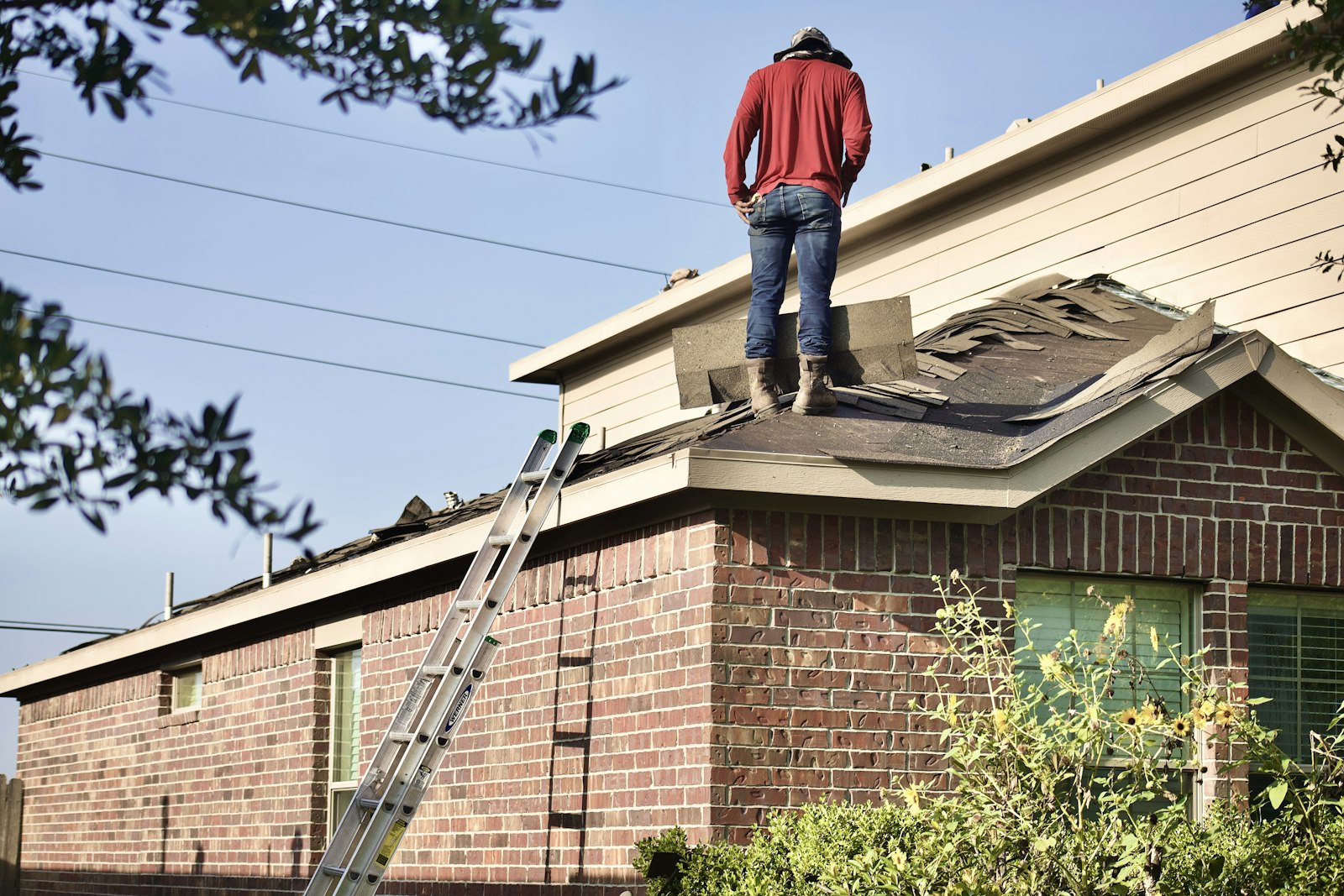
Not every stain means structural trouble. A fresh, single stain with no soft spots, no sag, and dry, solid wood in the attic is usually a straightforward roof leak repair, especially if you caught it soon after it started. Related warning signs are also worth checking against our guide on ceiling stains that actually mean a roof problem, which walks through how to tell a roof leak apart from plumbing or condensation issues that can look similar at first glance.

When You Need More Than a Roofer
A visible sag, soft or crumbling wood, or damage spread across multiple rafters usually means the repair goes beyond patching the roof surface. At that point, a full roof replacement combined with structural framing repair is often the honest recommendation, rather than a patch that only addresses the roof covering and leaves the weakened wood underneath in place. Leaks tied to a specific storm damage event are worth having assessed quickly, since a single severe event can do in one night what a slow leak takes months to cause.
What to Do the Moment You Spot a Leak
Do not wait to see if a stain gets bigger before taking it seriously. Note when you first saw it, check the attic if you can do so safely, and if there is active dripping or any sign the wood might already be affected, an emergency roof repair can stop the water while a full roof inspection confirms exactly what is happening underneath. Acting early is almost always the difference between a simple patch and a much bigger structural repair.
Frequently Asked Questions
Does the size of a water stain tell me how bad the leak is? +
Not reliably. A small stain from a slow leak that has been active for months can mean more hidden damage than a larger stain from a single recent storm, since duration matters more than the size of the visible mark.
What is the first sign a leak has reached the structure? +
A soft or spongy feel when you press on the ceiling or roof deck, a slight sag in the roofline, or wood that looks dark, swollen, or crumbly in the attic are the earliest reliable signs that framing is involved.
Can I just repaint over a water stain once the leak is fixed? +
Only after confirming the wood underneath is dry and sound. Painting over a stain without checking the framing can hide an active rot problem that keeps getting worse out of sight.
How much does it cost to fix structural damage from a roof leak? +
It depends entirely on how much wood needs to be replaced. A small patch of rotted decking is a relatively contained repair, while compromised rafters or trusses involve more extensive structural work and cost significantly more.
A stain on the ceiling is never really the problem, it is just the first sign of one. Checking what is happening above it, sooner rather than later, is what actually decides whether you are looking at a simple repair or a much bigger one.