
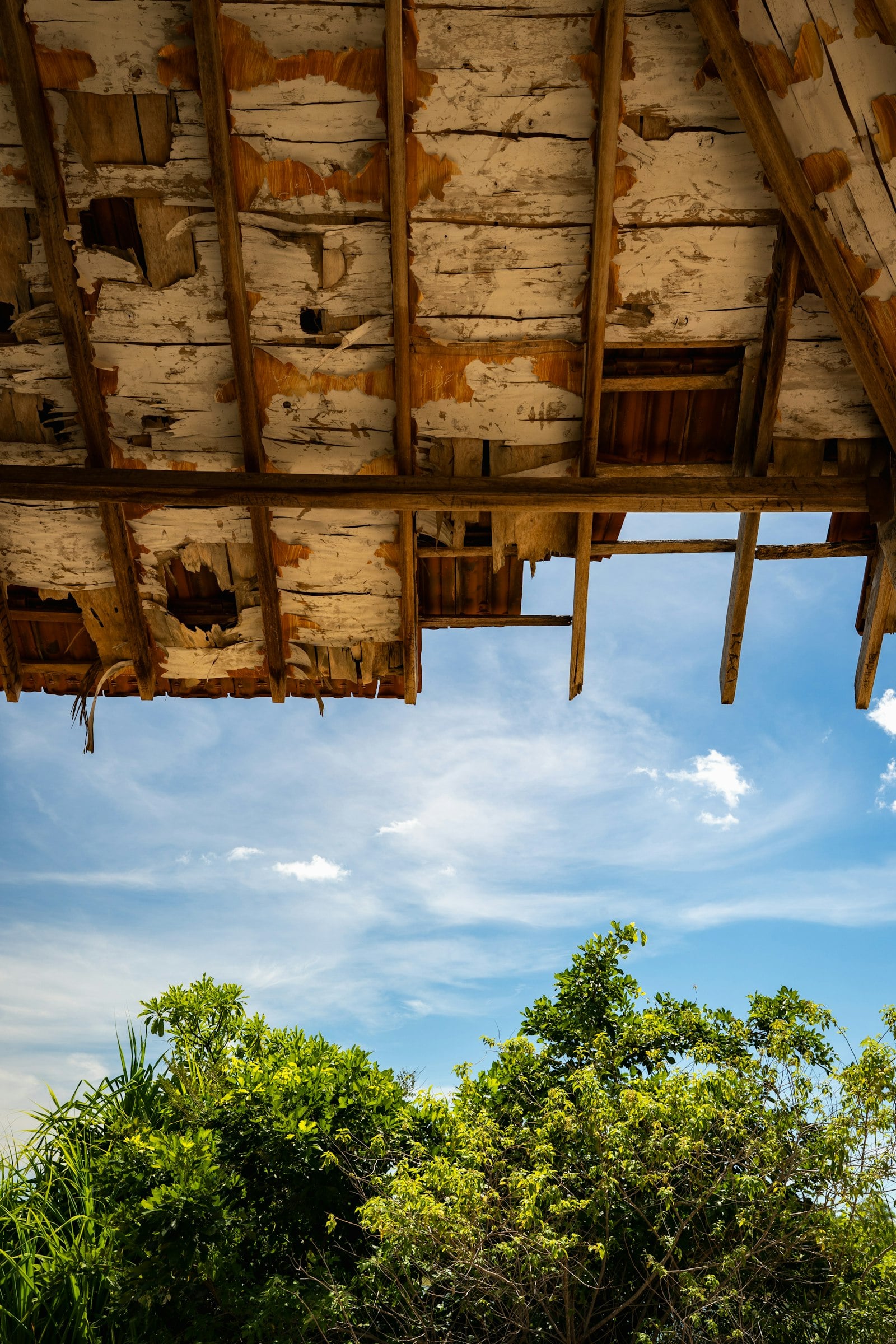
Hidden costs homeowners forget when budgeting for roof repair usually fall into five categories: permits, rotted decking discovered once the old material comes off, disposal fees, interior repairs the roofing quote never covers, and temporary protection while work gets scheduled. None of these show up on a bare bones repair quote, but almost every real job runs into at least one of them, which is why the final bill can come in higher than the number a homeowner had in mind going in.
Permit Fees
Many homeowners assume permits are only for a full roof replacement, but repairs above a certain size, or ones involving structural framing, typically require one too. Smaller patch jobs are often exempt, but it depends on the scope of the work. In Huntington Beach, permit requirements and applications are handled through the city's Building Division, and a reputable contractor should be able to tell you upfront whether your repair needs one and who is responsible for pulling it.
Rotted Decking Found Once the Roof Is Opened Up
This is the single biggest source of surprise costs in roof repair. A quote is based on what a contractor can see and reasonably estimate before removing the damaged material, but rotted or soft decking underneath often only becomes fully visible once that material comes off. Our guide on when a small leak is actually a big structural problem covers why this kind of hidden damage happens in the first place. A good contractor should show you the damage directly and explain the added cost before proceeding, not just add it to the final invoice. See our breakdown of decking replacement signs and real per-square-foot pricing for what that add-on typically runs.

Disposal and Hauling Fees
Old shingles, tiles, or membrane material has to go somewhere, and hauling it away is a separate cost from the labor of removing it. Some quotes bundle disposal in automatically, while others list it as its own line item or leave it out entirely, assuming a small job will not generate much debris. It is worth asking directly rather than assuming either way.
Interior Repairs the Roofing Quote Never Covers
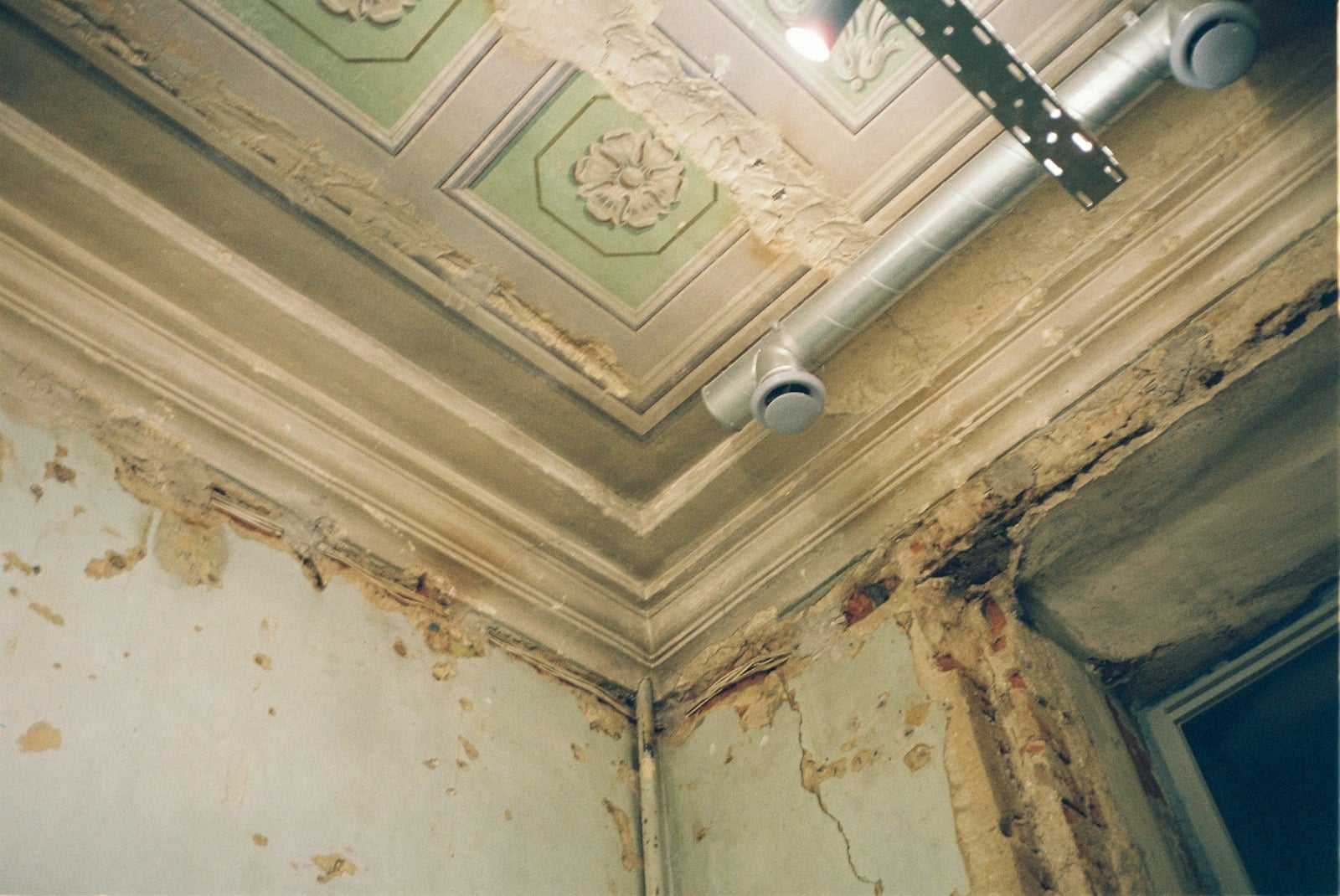
A roof repair estimate covers the roof, not the ceiling stains, damaged drywall, or peeling paint the leak left behind inside the house. Fixing the leak stops the problem from getting worse, but repainting a ceiling or replacing a section of drywall is a separate cost, usually handled by a different contractor entirely. Budgeting for the roof repair alone and assuming the interior will sort itself out is one of the more common gaps homeowners run into.
Temporary Protection While You Wait
If a repair cannot happen the same day, whether due to material availability or scheduling, a temporary tarp or emergency patch may be needed to keep water out in the meantime. This is a real cost on top of the eventual permanent repair, though it is a worthwhile one, since an emergency roof repair now is almost always cheaper than the water damage that builds up while waiting.
Code Related Upgrades
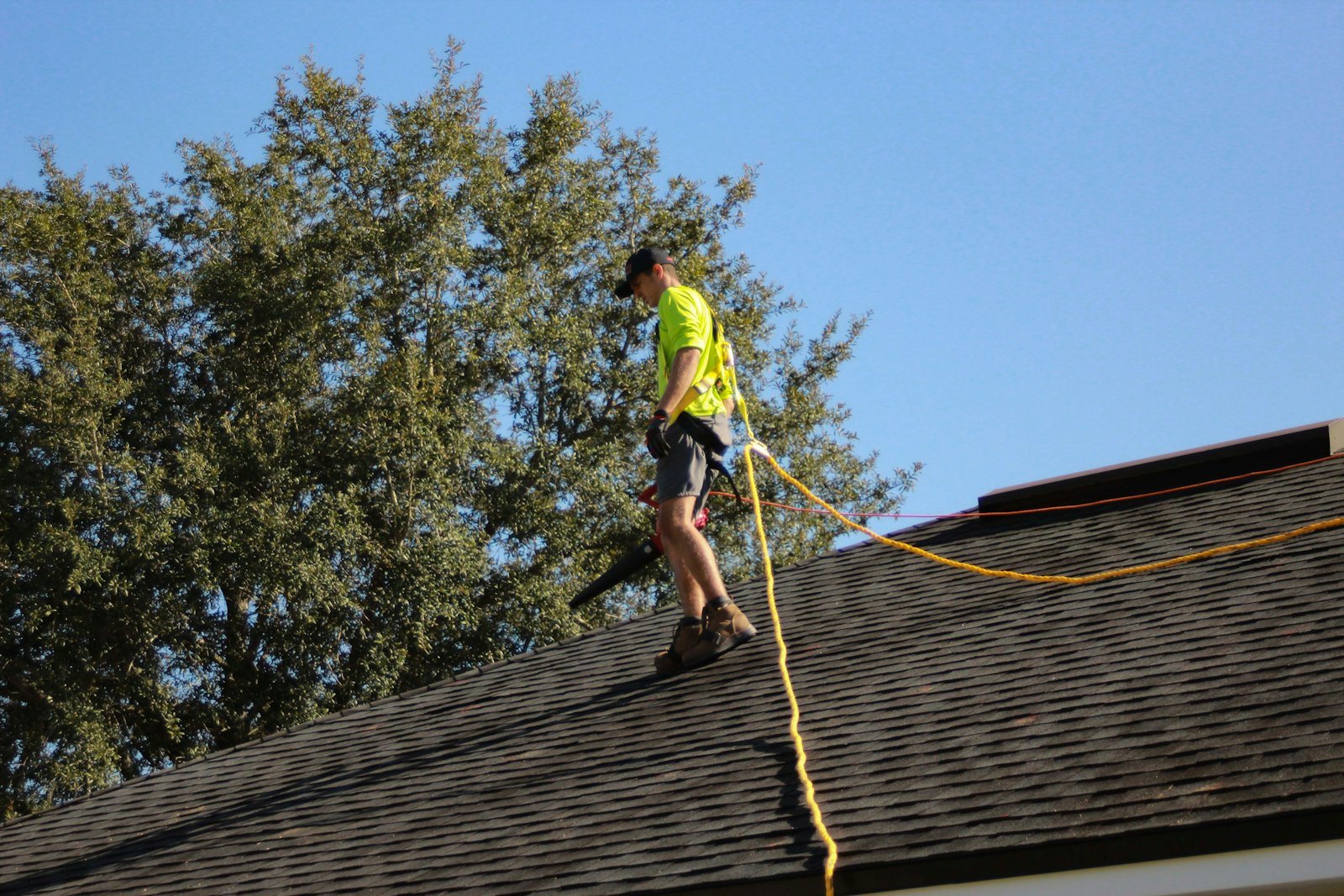
Building codes change over time, and a repair that touches enough of the roof can sometimes trigger a requirement to bring that section up to current code, such as updated flashing or ventilation standards. This does not apply to every repair, but it is worth asking about on any larger job, especially on an older home, so it does not show up as a surprise partway through.

How to Avoid Being Surprised by These Costs
Most of these hidden costs are not a sign of a bad contractor, they are simply things a bare bones quote does not spell out. The fix is asking the right questions before work begins:
- Ask whether a permit is required, and if so, who is responsible for it.
- Ask what happens, cost wise, if decking damage is found once the old material is removed.
- Confirm whether disposal is included or billed separately.
- Ask directly whether interior repairs are included, since they usually are not.
- Get everything in writing. Our guide on what a fair roof repair estimate should include covers exactly what to look for in a written quote.
Frequently Asked Questions
Do all roof repairs in Huntington Beach need a permit? +
Not always. Smaller repairs under a certain size or that do not involve framing changes are often exempt, but anything larger typically requires a permit through the city. Your contractor should be able to tell you which category your repair falls into.
How do I know if my quote already includes disposal and permits? +
Ask directly and get it in writing. A written estimate should list these as separate line items if they apply, rather than leaving you to assume they are bundled into the total.
Can I find out about rotted decking before work even starts? +
A thorough inspection can often spot obvious soft spots or staining that suggest hidden rot, but some decking damage is genuinely only visible once the old roofing material is removed.
Is it normal for a roof repair estimate to change once work begins? +
It can happen, but a contractor should stop and get your approval before doing extra work that adds meaningfully to the cost, rather than surprising you with a final bill.
A quote that accounts for these possibilities upfront, even as a range rather than an exact number, is far more useful than one that looks lower but leaves everything unspoken. Asking about them before signing anything is the easiest way to avoid an unpleasant surprise later.